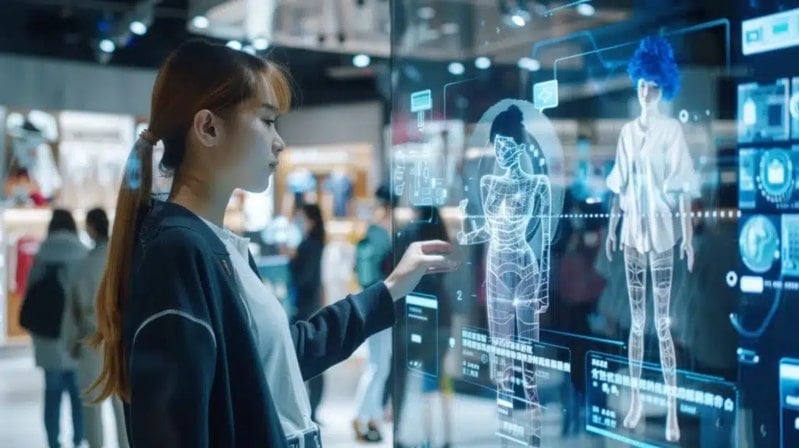
Imagine walking into a building and unlocking doors with a simple hand wave—no keys, no cards, no codes. This is the power of a gesture-based access control system. By recognizing your unique movements, these systems are reshaping how people interact with secure environments. The future of access isn't about what you carry, but how you move.
Understanding How Gesture-Based Access Works
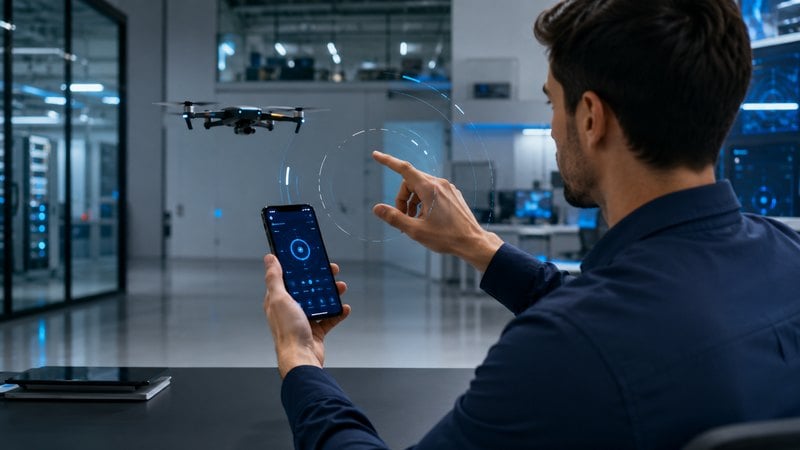
Gesture-based systems use motion recognition and sensor data to identify specific patterns or movements as valid credentials. When a user performs a predefined gesture—such as raising a hand, rotating a wrist, or drawing a motion in the air—the system detects and verifies it against stored templates.
At the core of these systems are sensors and cameras equipped with computer vision and machine learning models. They capture data from real-time gestures and compare them with authorized profiles. If the gesture matches the stored pattern, access is granted instantly.
Unlike facial or fingerprint recognition, gestures don't require close contact with a device. This makes them ideal for environments where hygiene, accessibility, or convenience is a priority, such as hospitals, manufacturing plants, and cleanrooms.
The Key Components Behind the Technology
A gesture-based access control system combines several technologies to work effectively. The first is motion sensing, often achieved using infrared sensors, radar, or 3D cameras. These detect depth and motion in real time without needing physical interaction.
The second component is pattern recognition powered by artificial intelligence. Machine learning models are trained on multiple gesture samples to improve accuracy and reduce false detections. Over time, the system learns and adapts to variations in user movement.
Finally, integration with backend access management ensures that gestures correspond to authorized users. The system logs every entry attempt, creating a digital audit trail for administrators to monitor and review when needed.
Benefits of Gesture-Based Access Control
One of the most significant advantages of this technology is hygiene. In shared spaces like offices, hospitals, and retail stores, minimizing touchpoints has become a major concern. Gesture-based access removes the need to touch keypads or handles, helping reduce contamination risks.
Another benefit is convenience. Users no longer need to remember PINs, carry keycards, or manage physical credentials. Access can be as simple as performing a unique movement pattern that only authorized individuals know. This also improves accessibility for users with disabilities.
From an administrative perspective, gesture systems are flexible and cost-efficient. Credentials can be updated remotely, and the same sensors can often integrate with other automation features like lighting or equipment activation, improving overall facility efficiency.
Common Applications Across Industries
Gesture-based access control is finding applications across multiple sectors. In corporate settings, employees can enter offices or restricted areas with simple hand motions, improving entry flow during peak hours. For healthcare, it enables sterile, contactless access to cleanrooms and surgical zones.
In retail environments, gesture control can secure staff-only areas or manage automated kiosks without physical buttons. Meanwhile, in smart homes, gestures can lock doors, open garages, or activate personalized profiles with a single motion.
Industrial facilities also benefit from this approach. Workers wearing gloves or protective suits can use large, predefined gestures to trigger access points or control machines safely, even in harsh or contaminated conditions.
Integrating Gesture Recognition with Existing Security Systems
Modern gesture-based systems are designed to integrate with existing access control infrastructures rather than replace them entirely. They can work alongside traditional methods like RFID, biometric scanners, or mobile credentials, offering multi-factor authentication for added security.
Integration often happens through standard communication protocols like Bluetooth, Wi-Fi, or RS-485. This allows gesture sensors and cameras to connect directly to access control panels and management software without major rewiring or hardware replacement.
For enterprise-scale deployments, APIs and SDKs enable developers to embed gesture recognition into existing platforms. This flexibility makes it easier for businesses to test and scale solutions gradually across multiple facilities.
Challenges and Considerations
While gesture-based systems are promising, they still face challenges. Environmental factors such as poor lighting, reflective surfaces, or sensor interference can affect recognition accuracy. Proper calibration and placement of cameras and sensors are crucial for consistent performance.
Privacy is another consideration. Because these systems use cameras or motion sensors, organizations must ensure compliance with data protection regulations. Collected data should be encrypted and anonymized whenever possible to prevent misuse.
Lastly, user education plays a role. Employees and visitors need clear instructions on how gestures are recorded and used. Transparent communication builds trust and encourages adoption of the new technology.
The Future of Gesture-Based Access Systems
As artificial intelligence advances, gesture-based access control will become more precise and personalized. Future systems may detect subtle variations in motion unique to each user, combining gesture recognition with behavioral biometrics for higher security.
Integration with wearable devices and smart environments will further expand possibilities. Imagine unlocking a secure area simply by moving your hand while your smartwatch verifies identity in the background. Such multi-layered systems could redefine convenience and safety across industries.
In the coming years, gesture-based technology will likely merge with voice, facial, and environmental sensors to create adaptive, context-aware security ecosystems. What started as an innovative idea is quickly becoming a core element of next-generation access control design.
 Unlock the Full Potential of Your AI Assistant With These Smart Uses
- AI Assistants for Beginners: Learn the Basics One Step at a Time
- Think You Know AI Assistants? These Capabilities May Surprise You
- How Medical Software Is Changing Daily Healthcare Experiences in 2026
- Remote Control Systems 2026: Innovations, Industrial Applications, and Future Trends



- Everything Else
Unlock the Full Potential of Your AI Assistant With These Smart UsesMany users still approach AI virtual assistants as if they were just quick-answer tools for simple chores. In reality, current assistants can do far more. They can support planning, writing, analysis, coordination, and day-to-day decision-making in ways that affect both work and personal routines. This guide looks at what these assistants can truly do, how to get stronger results from them, and why they are becoming a bigger part of modern life.- Everything Else
AI Assistants for Beginners: Learn the Basics One Step at a TimeAI assistants are no longer niche experiments reserved for engineers and labs. They now appear in the everyday workflows of students, employees, makers, and entrepreneurs. Whether the task involves drafting text, gathering information, generating visuals, or supporting decisions, these systems are changing how people approach both efficiency and imagination.- AI
Think You Know AI Assistants? These Capabilities May Surprise YouMany people still use AI assistants the way they use a timer or calculator: for small, fast requests. That view misses how capable these systems have become. Modern assistants can organize information, connect tools, complete layered tasks, and support both home and work routines. When set up well, they become less like a novelty and more like a practical operating layer for daily life.- Health
How Medical Software Is Changing Daily Healthcare Experiences in 2026In 2026, the push for smarter medical software across healthcare is stronger than at any previous point. These digital systems help organizations run more smoothly, handle patient information with greater accuracy, and stay aligned with changing compliance standards. Whether it is billing platforms that speed up claims processing or electronic records that strengthen coordination between clinicians, medical software covers a broad set of tools that support providers in meaningful ways. Telemedicine platforms are also reshaping access to treatment, especially for people living far from major care centers, proving that software now sits at the center of modern healthcare services.- AI
Remote Control Systems 2026: Innovations, Industrial Applications, and Future TrendsAs demand for operational effectiveness and safety grows, remote control systems continue to evolve rapidly in 2026. It's fundamental to grasp the latest breakthroughs, integration expenses, and value benefits to make informed decisions about these cutting-edge technologies without promotional bias.
- A Guide of Waifu Generators How They Work, Their Uses, and the Future You Need in 2025
- How Gesture-Based Access Systems Improve Safety, Efficiency, and User Experience
- A Beginner's Guide to Building a Career in 3D Character Animation
- How to Choose the Right Forklift Hire for Your Business
- Save Big on the 2025 Hyundai Palisade: Tips, Deals, and Buying Secrets
- How Artificial Intelligence Is Shaping the Future of Customer Engagement