As demand for operational effectiveness and safety grows, remote control systems continue to evolve rapidly in 2026. It's fundamental to grasp the latest breakthroughs, integration expenses, and value benefits to make informed decisions about these cutting-edge technologies without promotional bias.

Remote control systems today empower industries by enabling precise, instantaneous operation of equipment at a distance. This transformation is fueled by major leaps in wireless technology, sensors, and artificial intelligence. These advancements cater to the increasing priorities of safety, efficiency, and data-based strategic management. To properly assess these systems, one must understand their main elements, potential integration challenges, and the sustained advantages they deliver. This neutral overview aims to guide readers in analyzing technical details and determining appropriateness for diverse industrial and commercial applications, devoid of marketing-oriented interpretations or oversimplified views.
The Evolution of Technology for Remote Operations
Remote control technology has progressed significantly, transitioning from basic infrared systems to sophisticated networks designed for intricate industrial functionalities. While earlier solutions were hindered by short ranges and signal interference, primarily serving consumer electronics, advancements in radio frequency (RF) communication and digital signal processing paved the way for more robust applications under demanding conditions. The era of advanced systems in 2026 is defined by increased autonomy, refined data feedback, and seamless connection to digital ecosystems. These innovations aim to create intelligent operational frameworks that optimize performance while minimizing human exposure to risky or repetitive tasks.
Modern systems utilize various communication protocols such as Wi-Fi, Bluetooth, cellular technologies like 4G/5G, and specialized industrial standards, ensuring dependable connectivity across extensive areas and challenging environments. This foundational evolution moves remote operations beyond basic tasks, fostering adaptive and predictive control strategies that define the new landscape of precision and system responsiveness.
Key Elements That Shape Advanced Systems
Remote control systems of the future incorporate a complex network of interconnected modules, each playing a critical part in their success and reliability. The primary elements include transmitters and receivers, which are responsible for wireless communication and the transmission of user inputs as signals. Receivers then interpret these signals to activate machinery, ensuring effective two-way interaction. Microcontrollers or embedded processors are integral for analyzing data, managing protocols, and performing advanced computations.
Sensors, meanwhile, serve as vital data providers, offering real-time feedback on factors such as location, operational speed, temperature, and pressure. Such information feeds into a closed-loop control mechanism, enabling continuous adjustments and consistent performance optimization. Operator interfaces, such as handheld devices or elaborate control panels, empower users to oversee and interact efficiently with remote systems. Reliable power sources further ensure uninterrupted function, often supplemented by batteries or energy harvesting solutions to maintain performance across diverse conditions.
All these elements must be seamlessly integrated to achieve the precision, speed, and dependability expected from advanced remote control operations in 2026.
Technological Innovations Fueling Expansion in 2026
Several groundbreaking advancements are driving the adoption of cutting-edge remote control systems in 2026. Foremost among these is the widespread implementation of 5G networks, which deliver high-speed connectivity with minimal latency. This technology is instrumental for real-time control of intricate systems, including robotics, where responsiveness and precision are paramount. Artificial intelligence and machine learning are also major contributors; their algorithms enable systems to analyze operational data, anticipate malfunctions, and autonomously refine control processes for maximum efficiency.
Edge computing strengthens remote control systems by processing data locally, reducing the dependence on centralized cloud servers and ensuring quicker reactions. Improved battery technologies extend the usage of portable devices, while advancements in sensor integration offer comprehensive environmental monitoring and enhanced data reliability. Enhanced encryption methods and secure communication protocols tackle cybersecurity concerns, ensuring data remains protected and systems safeguarded from unauthorized access. These collective innovations create smarter, more reliable systems, emphasizing adaptability and resilience.
Sector-Focused Applications of Remote Control Solutions
Modern remote control systems are being tailored to suit the distinct requirements of various industries, showcasing their broad relevance and adaptability. In manufacturing, these technologies allow operators to direct robotic equipment, assembly systems, and heavy machinery remotely, enhancing production efficiency and worker safety. Remote tools also facilitate the programming of automated vehicles and enable oversight of hazardous operations without exposing personnel to risk.
Energy companies harness the capabilities of remote control systems to monitor pipelines, oversee offshore platforms, and operate wind farms, ensuring quick responses to operational anomalies. In warehouses and logistics hubs, automated systems optimize the handling of inventory and materials, streamlining processes through remote supervision. Construction sites benefit from remote-controlled machinery such as excavators and drones, enabling safer operations and greater precision within complex environments. The agricultural sector employs remote-controlled tractors and irrigation for smarter resource management. These tailored uses illustrate how remote control systems serve not only as operational tools but as drivers of enhanced productivity and industry innovation.
Understanding Costs and Gains in Wireless Control Systems
Careful evaluation of wireless control system expenses is vital for organizations looking to embrace advanced remote-control technologies. Costs typically include hardware—transmitters, receivers, user interfaces, and communication frameworks—alongside software licenses and consulting fees for integration. These expenses vary depending on the complexity of the system, the extent of controlled devices, and required features, such as extended ranges and security enhancements. Entry-level setups for basic operations may range in cost from a few thousand dollars, while expansive solutions for large-scale applications can escalate to hundreds of thousands.
Despite the upfront investment, the financial and operational benefits often outweigh the initial outlay. Remote systems greatly enhance workflow efficiency, reduce downtime, and optimize resources, contributing to lower operational costs. Improved safety measures reduce workplace incidents, help avoid legal liabilities, and lower insurance costs. Additionally, predictive capabilities reduce failures and extend the life of machinery. These features combine to present substantial savings over time, making advanced systems a solid long-term asset. Thorough analysis of direct and secondary savings is essential for realistic ROI projections.
Ensuring Security in Remote Access Technologies
Security remains a core concern for implementing reliable remote control systems, particularly as interconnected devices become increasingly accessible online. Preventing cyber risks necessitates deploying secure platforms that restrict control access to authorized individuals and systems while protecting operational data from threats. Multi-layered authentication methods, like multi-factor verification, increase identity security, while encrypting transmitted data safeguards communication channels.
Using virtual private networks (VPNs) ensures secure connectivity, even across public networks, while administrators can assign role-specific access to limit user privileges to relevant functions. Vital safeguards include routine audits, vulnerability checks, and testing to uncover potential weaknesses. Training staff in cybersecurity practices is equally critical to mitigate errors from human factors. By embedding strong security measures, organizations can confidently mitigate the risks associated with remote control systems and ensure uninterrupted operations throughout 2026.
Advanced Automation Through Connected Robotics
Modern robotic systems continue to redefine industrial automation, with cutting-edge remote control technologies expanding their possibilities. Modern robots are highly adaptive and capable of performing intricate tasks in dynamic environments. Incorporating remote control technology allows operators to steer and refine robotic operations from centralized locations, particularly in hazardous or complex realms. This functionality enables precise adjustments and immediate task modifications.
Applications such as collaborative robots (cobots) in manufacturing benefit immensely when operators can supervise and adapt movements to meet changing requirements without being physically near the equipment. Autonomous robotic systems in logistics centers also leverage remote monitoring, ensuring efficient navigation and transport operations. Coupled with AI-driven data analytics, predictive capabilities enable robotic systems to optimize future tasks based on gathered information, bringing new levels of efficiency to automation.
IoT and Real-Time Management Systems
The Internet of Things (IoT) continues to revolutionize remote system management, offering transformative ways to monitor, control, and analyze connected devices. IoT tools empower remote control systems by linking them to networks of sensors, actuators, and processors for consistent, real-time feedback. This capability is vital for systems requiring immediate responsiveness, such as infrastructure management in smart cities.
In residential settings, IoT-enabled platforms enable users to control appliances, security systems, and energy setups remotely. Similarly, industrial environments utilize IoT to monitor and manage heterogeneous equipment through centralized platforms. The ability to react quickly to changes ensures operational agility while offering predictive insights for maintenance. Flexible scalability makes IoT architectures ideal for expanding the capabilities of advanced systems, ensuring their relevance in an era of increasingly interconnected devices.
Modern Interfaces Tailored for Maximum Efficiency
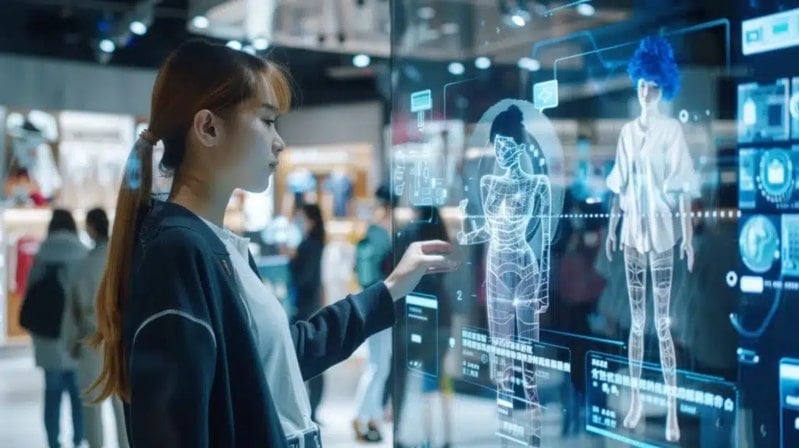
Improvements in human-machine interfaces (HMIs) have significantly enhanced the accessibility and practicality of advanced remote control systems. In 2026, interfaces are increasingly intuitive, utilizing high-resolution displays with flexible, customizable layouts that simplify the visualization of complex data. Augmented Reality (AR) and Virtual Reality (VR) are becoming core elements of advanced HMIs, offering immersive user experiences where data and controls are projected in interactive virtual spaces.
Innovations such as voice command integration and gesture-based controls add new dimensions, allowing users to operate devices with minimal physical input while maintaining focus on essential tasks. The aim is to reduce analytical strain, provide digestible insights, and lower operational errors. Personalization features further improve usability by adapting to individual preferences and proficiency levels, ensuring operators can seamlessly manage increasingly complex remote systems.
The Role of Predictive Mechanisms in Enhanced Operations
Predictive maintenance capabilities embedded into remote systems are revolutionizing operational efficiency in 2026. Through constant tracking of equipment using connected sensors and IoT technologies, subtle irregularities can be identified early, helping predict breakdowns before they occur. Maintenance can then be synchronized with actual needs, reducing unscheduled interruptions and optimizing equipment use.
Analyzing data like vibrations, temperatures, or power use through AI algorithms allows these systems to provide actionable insights. Alerts about potential issues sent to operators ensure proactive responses, avoiding failures while extending machine lifespans. This forward-thinking approach reduces costs related to manpower and spare parts and ensures uninterrupted processes, making predictive features integral to advanced system designs.
Advanced Systems: The Vision Beyond 2026
Looking ahead, remote control technologies promise greater sophistication, intelligence, and adaptability. AI's anticipated evolution will lead to systems capable of self-regulation, proactive management, and complex decision-making, reducing the need for constant human oversight. Improved global connectivity, including expanded satellite coverage and further deployment of 6G, will allow systems to operate in the most remote and harsh conditions, revolutionizing exploration and industry applications.
Miniaturized components will enable advanced systems to power small, agile devices, expanding their reach into robotics, wearables, and beyond. The implementation of digital twins will make simulation and virtual testing a standard practice before real-world applications, enhancing safety and productivity. Cybersecurity measures will evolve further, embedding resilience and integrity into all levels of system operations. As these innovations converge, advanced remote control systems are set to become foundational in shaping modern industries and influencing technological progress.
A Strategic Guide to System Selection
Choosing the perfect remote control system necessitates a systematic evaluation of operational requirements, technical specifications, and strategic goals. Start by defining the scope of remote operations, including the type and number of devices to control and the precision needed. Assess environmental factors such as range, interference potential, and operating conditions, which will guide the selection of communication protocols and hardware durability.
Integration with current setups should be prioritized to avoid unnecessary disruptions and costs during implementation. Cybersecurity should be rigorously evaluated to prevent unauthorized operation and data theft, especially for critical applications. Consider the overall cost of ownership, factoring initial investment, maintenance, software updates, and expected returns in energy efficiency and safety improvements. Finally, ensure the system supports scalability and vendor assistance. A thorough decision framework helps organizations achieve the best match for their needs, setting the stage for lasting productivity gains and operational excellence.
 Unlock the Full Potential of Your AI Assistant With These Smart Uses
- AI Assistants for Beginners: Learn the Basics One Step at a Time
- Think You Know AI Assistants? These Capabilities May Surprise You
- How Medical Software Is Changing Daily Healthcare Experiences in 2026
- How AI Addresses Disruption Across Inventory and Logistics Networks




- Everything Else
Unlock the Full Potential of Your AI Assistant With These Smart UsesMany users still approach AI virtual assistants as if they were just quick-answer tools for simple chores. In reality, current assistants can do far more. They can support planning, writing, analysis, coordination, and day-to-day decision-making in ways that affect both work and personal routines. This guide looks at what these assistants can truly do, how to get stronger results from them, and why they are becoming a bigger part of modern life.- Everything Else
AI Assistants for Beginners: Learn the Basics One Step at a TimeAI assistants are no longer niche experiments reserved for engineers and labs. They now appear in the everyday workflows of students, employees, makers, and entrepreneurs. Whether the task involves drafting text, gathering information, generating visuals, or supporting decisions, these systems are changing how people approach both efficiency and imagination.- AI
Think You Know AI Assistants? These Capabilities May Surprise YouMany people still use AI assistants the way they use a timer or calculator: for small, fast requests. That view misses how capable these systems have become. Modern assistants can organize information, connect tools, complete layered tasks, and support both home and work routines. When set up well, they become less like a novelty and more like a practical operating layer for daily life.- Health
How Medical Software Is Changing Daily Healthcare Experiences in 2026In 2026, the push for smarter medical software across healthcare is stronger than at any previous point. These digital systems help organizations run more smoothly, handle patient information with greater accuracy, and stay aligned with changing compliance standards. Whether it is billing platforms that speed up claims processing or electronic records that strengthen coordination between clinicians, medical software covers a broad set of tools that support providers in meaningful ways. Telemedicine platforms are also reshaping access to treatment, especially for people living far from major care centers, proving that software now sits at the center of modern healthcare services.- AI
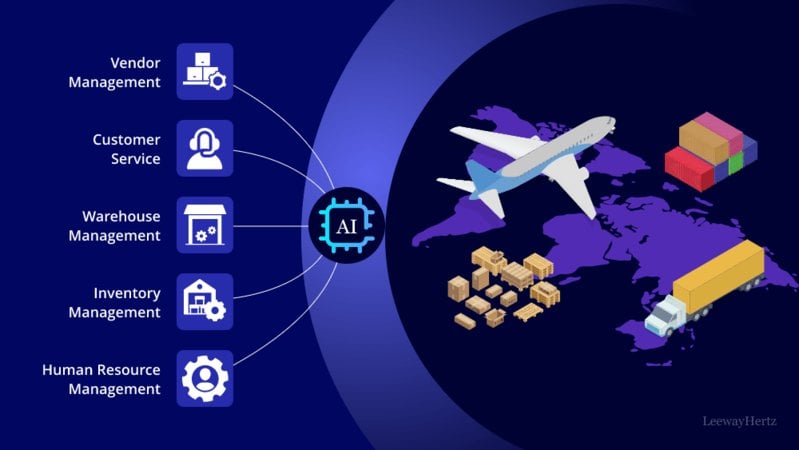
How AI Addresses Disruption Across Inventory and Logistics NetworksYou are managing supply chains in an environment where disruption, inventory imbalance, and logistics uncertainty occur simultaneously. Artificial intelligence provides a structured way to analyze risk, optimize inventory, and coordinate logistics decisions with precision, helping you maintain stability, service levels, and cost control.
- A Guide of Waifu Generators How They Work, Their Uses, and the Future You Need in 2025
- How Gesture-Based Access Systems Improve Safety, Efficiency, and User Experience
- A Beginner's Guide to Building a Career in 3D Character Animation
- How to Choose the Right Forklift Hire for Your Business
- Save Big on the 2025 Hyundai Palisade: Tips, Deals, and Buying Secrets
- How Artificial Intelligence Is Shaping the Future of Customer Engagement