In 2026, the push for smarter medical software across healthcare is stronger than at any previous point. These digital systems help organizations run more smoothly, handle patient information with greater accuracy, and stay aligned with changing compliance standards.

Whether it is billing platforms that speed up claims processing or electronic records that strengthen coordination between clinicians, medical software covers a broad set of tools that support providers in meaningful ways. Telemedicine platforms are also reshaping access to treatment, especially for people living far from major care centers, proving that software now sits at the center of modern healthcare services.
Healthcare is changing quickly, and that pace has made dependable medical software increasingly important for providers of every size. These solutions are built to address the distinct demands of clinical environments, helping teams deliver stronger patient support while lowering the time and expense tied to everyday administrative work.
What Medical Software Covers
Medical software refers to a wide collection of digital tools that assist with the coordination of healthcare activities. They support everything from front-office administration to direct clinical workflows, making operations more efficient and patient experiences easier to manage. Among the main advantages are better handling of health information, clearer communication among care teams, and stronger adherence to industry rules and requirements.
Why Billing Platforms Matter
Medical billing software remains essential for providers that need precise invoicing and quicker payment turnaround. These systems automate claim filing and payment tracking, which helps limit mistakes that often occur with manual processes. Many billing tools also include reporting and analytics functions, giving practices a clearer view of financial health and helping them improve overall revenue cycle performance.
Software for Running Healthcare Operations
Healthcare management software serves as a comprehensive resource for organizations seeking tighter control over daily operations. It often brings together patient administration, scheduling, billing, and reporting in one connected environment. With centralized access to important records and workflow data, healthcare staff can locate what they need faster and respond more effectively, which supports higher standards of patient care.
Digital Records and Clinical Access
Electronic health records software has dramatically changed how patient details are documented, stored, and retrieved. EHR systems allow providers to capture visit information as care happens, cutting down on paper-based work and improving coordination across teams. They also strengthen patient safety by making histories, allergies, medications, and earlier treatments easier to review in different care settings.
Remote Care Technology
In the modern digital environment, telemedicine solutions have expanded at an exceptional rate, a trend made even more visible by major global disruptions in recent years. These platforms let clinicians connect with patients remotely through video visits, phone consultations, or secure messaging. Telemedicine broadens access to care for people in underserved locations while also making follow-up visits more convenient and encouraging stronger patient participation.
Practice Software for Daily Workflow
Medical practice management software brings several essential functions together within a single system, including appointment scheduling, billing support, and record maintenance. This kind of platform plays a major role in improving day-to-day efficiency, which directly contributes to a better patient experience. By reducing the burden of repetitive administrative tasks, providers gain more time to focus on treatment and patient relationships.
Tools for Appointment Coordination
Well-managed scheduling is vital to keeping healthcare facilities organized and responsive. Patient scheduling software helps coordinate appointments, shorten delays, and reduce the number of missed visits. More advanced platforms often let patients reserve times online and receive automatic reminders, helping them stay aware of upcoming care while improving efficiency for staff and the organization as a whole.
Final Thoughts
Bringing medical software into healthcare settings is no longer a matter of preference; it has become a basic requirement for quality service and efficient operations. From billing systems to scheduling tools, these technologies give healthcare professionals more capacity to concentrate on the needs that matter most, namely patient health and outcomes. As healthcare continues to evolve, adopting modern software will remain essential for improving the delivery of care.
 Unlock the Full Potential of Your AI Assistant With These Smart Uses
- AI Assistants for Beginners: Learn the Basics One Step at a Time
- Think You Know AI Assistants? These Capabilities May Surprise You
- Remote Control Systems 2026: Innovations, Industrial Applications, and Future Trends
- How AI Addresses Disruption Across Inventory and Logistics Networks




- Everything Else
Unlock the Full Potential of Your AI Assistant With These Smart UsesMany users still approach AI virtual assistants as if they were just quick-answer tools for simple chores. In reality, current assistants can do far more. They can support planning, writing, analysis, coordination, and day-to-day decision-making in ways that affect both work and personal routines. This guide looks at what these assistants can truly do, how to get stronger results from them, and why they are becoming a bigger part of modern life.- Everything Else
AI Assistants for Beginners: Learn the Basics One Step at a TimeAI assistants are no longer niche experiments reserved for engineers and labs. They now appear in the everyday workflows of students, employees, makers, and entrepreneurs. Whether the task involves drafting text, gathering information, generating visuals, or supporting decisions, these systems are changing how people approach both efficiency and imagination.- AI
Think You Know AI Assistants? These Capabilities May Surprise YouMany people still use AI assistants the way they use a timer or calculator: for small, fast requests. That view misses how capable these systems have become. Modern assistants can organize information, connect tools, complete layered tasks, and support both home and work routines. When set up well, they become less like a novelty and more like a practical operating layer for daily life.- AI
Remote Control Systems 2026: Innovations, Industrial Applications, and Future TrendsAs demand for operational effectiveness and safety grows, remote control systems continue to evolve rapidly in 2026. It's fundamental to grasp the latest breakthroughs, integration expenses, and value benefits to make informed decisions about these cutting-edge technologies without promotional bias.- AI
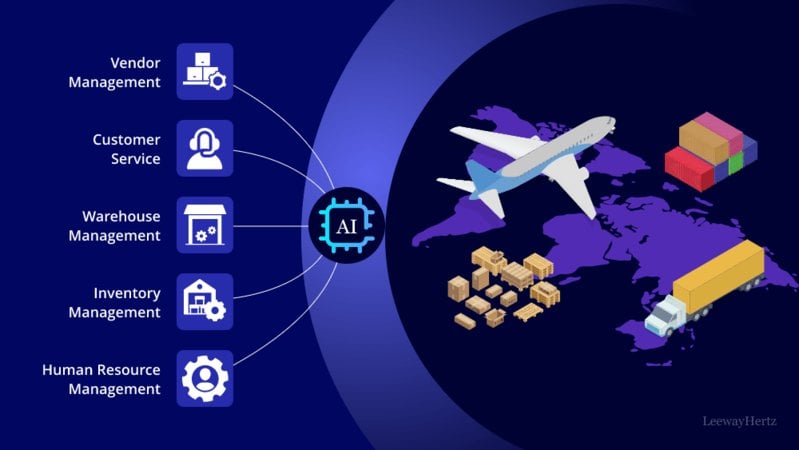
How AI Addresses Disruption Across Inventory and Logistics NetworksYou are managing supply chains in an environment where disruption, inventory imbalance, and logistics uncertainty occur simultaneously. Artificial intelligence provides a structured way to analyze risk, optimize inventory, and coordinate logistics decisions with precision, helping you maintain stability, service levels, and cost control.
- A Guide of Waifu Generators How They Work, Their Uses, and the Future You Need in 2025
- How Gesture-Based Access Systems Improve Safety, Efficiency, and User Experience
- A Beginner's Guide to Building a Career in 3D Character Animation
- How to Choose the Right Forklift Hire for Your Business
- Save Big on the 2025 Hyundai Palisade: Tips, Deals, and Buying Secrets
- How Artificial Intelligence Is Shaping the Future of Customer Engagement