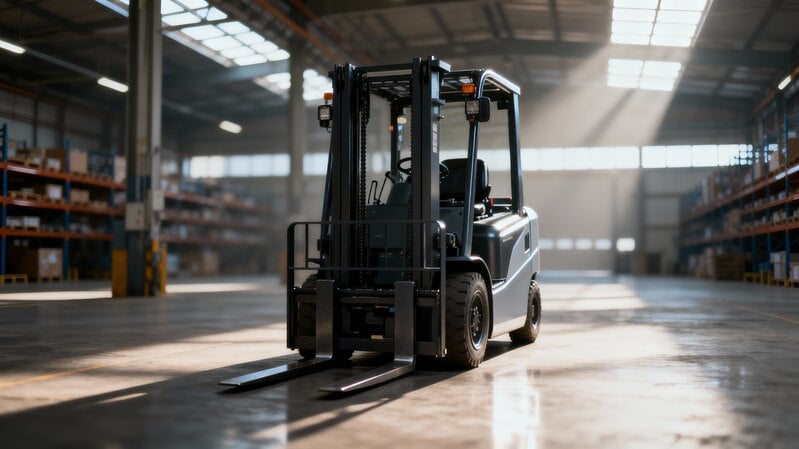
Choosing the right forklift hire can significantly impact your business's efficiency, safety, and overall operating costs. Whether you're managing a warehouse, construction site, or distribution center, renting the right type of forklift ensures that materials move quickly and safely.
1. Why Forklift Hire Is a Smart Business Move
Hiring a forklift instead of buying one outright gives your business flexibility and financial control. Purchasing a fleet can be costly and ties up capital, whereas forklift hire allows you to adjust equipment levels as your workload changes.
This is especially useful for seasonal businesses or short-term projects. For instance, if your warehouse experiences a surge during the holidays, hiring forklifts temporarily prevents over-investing in equipment that sits idle later. Additionally, you can test various models to determine which best fits your workflow before making a purchase.
2. Understanding Different Types of Forklifts
Selecting the right forklift type depends on your work environment and load requirements. Each model serves a specific purpose:
Counterbalance forklifts are the most common. They feature a straightforward design with a counterweight at the back to balance heavy loads, making them ideal for factories and warehouses.
Reach trucks are perfect for indoor environments with narrow aisles and high racking systems. They have an extended reach mechanism that allows operators to lift loads vertically in tight spaces.
Pallet jacks and electric pallet trucks are compact and best for moving smaller loads over short distances, often in retail or storage settings.
For outdoor or uneven terrain, telehandlers and rough-terrain forklifts are designed to handle heavy materials in challenging environments like construction sites.
3. Assessing Your Business Needs
Before hiring, assess your operational requirements carefully. The first step is determining load capacity—how much weight the forklift must lift safely. Always choose a machine with a higher capacity than your average load to prevent strain and accidents.
Next, consider lifting height and aisle width. If you operate in a confined warehouse, a compact reach truck or electric model might be more efficient than a large counterbalance forklift. For outdoor use, prioritize power and stability over maneuverability.
Also, evaluate usage frequency and duration. Will you need the forklift daily for ongoing operations or only for a specific project? Long-term rentals often offer better value than short-term agreements.
Don't overlook operator comfort and safety. Features like ergonomic seating, adjustable controls, and clear visibility enhance productivity and reduce fatigue. The goal is to match your equipment precisely to your environment and workload.
4. Comparing Forklift Hire Options and Pricing
Forklift hire agreements vary widely depending on the supplier, model, and duration. Understanding pricing structures ensures you get value for money.
Short-term hires (days or weeks) are ideal for temporary projects or seasonal spikes, while long-term leases (months or years) suit ongoing business operations. The longer the rental, the lower the daily cost tends to be.
When reviewing quotes, confirm what's included. Many suppliers bundle maintenance, servicing, and insurance into the price. However, others may charge extra for delivery, breakdown recovery, or operator training.
Always read the contract carefully. Check for hidden fees, early return penalties, or damage clauses. Transparency in terms and pricing protects your business from unexpected costs and disputes. Comparing at least three reputable providers helps ensure competitive rates and reliable service.
5. Safety and Compliance Considerations
Safety should always come first when selecting any forklift hire. Start by ensuring the supplier provides equipment that meets national safety standards and has undergone recent inspections. Machines should have visible safety certifications and maintenance records.
Confirm that your operators are properly licensed and trained to handle the specific forklift model. Many hire companies offer refresher training sessions as part of the rental package—an investment that pays off in accident prevention and operational efficiency.
Look for forklifts equipped with modern safety features such as load sensors, seatbelt interlocks, anti-roll technology, and reversing alarms. These systems reduce risk and help comply with workplace safety regulations.
Finally, partner only with suppliers known for their maintenance reliability. Well-maintained forklifts not only last longer but also minimize downtime caused by unexpected breakdowns.
6. Key Questions to Ask Before Hiring
Before signing a rental contract, clarify key details with your supplier. Ask what type of maintenance support is provided and how quickly they respond to breakdowns. Downtime can be costly, so ensure they offer replacement units if needed.
Inquire about insurance coverage—does the agreement protect against accidental damage or third-party liability? Understanding this beforehand prevents complications later.
You should also ask about delivery and collection charges, overtime usage fees, and flexibility in extending the hire period. A transparent provider will explain every cost clearly and accommodate your changing business needs.
By asking the right questions, you avoid misunderstandings and ensure the rental agreement aligns perfectly with your operational expectations.
7. Partnering with the Right Supplier
Choosing a reliable supplier can be just as important as choosing the right forklift. Look for companies with strong reputations, positive customer reviews, and a track record of timely support. Experienced rental partners understand that every business has unique challenges and can recommend equipment that fits your goals.
Evaluate their customer service quality. Do they respond quickly to inquiries? Are they proactive in maintenance scheduling? Good communication and dependable support make daily operations smoother and safer.
Building a long-term partnership with your supplier can lead to exclusive pricing, priority service, and access to newer models. A trustworthy provider should feel like an extension of your own team.
8. Maximizing Value from Your Forklift Hire
Once you've chosen the right forklift and supplier, focus on maximizing your return on investment. Train all operators to use the equipment correctly to reduce wear, damage, and fuel waste.
Schedule regular inspections to catch small issues before they become costly repairs. Keep a simple usage log to monitor hours of operation and identify when additional equipment might be needed.
Finally, review your rental performance regularly. If your business grows or project requirements change, discuss upgrades or alternative models with your supplier. Flexibility ensures that your forklift fleet always supports your productivity goals efficiently.
Conclusion
Choosing the right forklift hire for your business is about balancing performance, safety, and cost efficiency. By understanding your operational needs, comparing rental options, and partnering with a reputable supplier, you can optimize productivity and reduce expenses.
The right hire not only keeps your operations running smoothly but also provides the flexibility to adapt as your business evolves. Investing time in careful selection today can save you significant time, money, and effort in the future—making forklift hire one of the smartest operational decisions your company can make.
 How SMBs Can Choose the Right Business Phone Package in 2026
- How SMBs Can Choose the Right Business Phone Package in 2026
- A Complete Guide to Small Business Phone Systems in 2026
- How Businesses Use Satellite Internet to Work Anywhere
- Why Ultrasonic Sieves Are Revolutionizing Industrial Material Separation



- Business
How SMBs Can Choose the Right Business Phone Package in 2026Within the competitive landscape of modern business, effective communication remains a cornerstone of success, making the selection of phone plans a crucial decision for SMBs. Customized phone packages cater to essential voice interactions while delivering advanced features that boost coordination and efficiency. Budget-friendly options enable enterprises to optimize expenditures while benefiting from features such as limitless calling, integrated chat functions, and scalable services. Choosing suitable communication solutions can equip SMBs to thrive amid market challenges.- Business
How SMBs Can Choose the Right Business Phone Package in 2026Within the competitive landscape of modern business, effective communication remains a cornerstone of success, making the selection of phone plans a crucial decision for SMBs. Customized phone packages cater to essential voice interactions while delivering advanced features that boost coordination and efficiency. Budget-friendly options enable enterprises to optimize expenditures while benefiting from features such as limitless calling, integrated chat functions, and scalable services. Choosing suitable communication solutions can equip SMBs to thrive amid market challenges.- Business
A Complete Guide to Small Business Phone Systems in 2026You are operating in a business environment where fast, reliable, and professional communication directly impacts customer trust and revenue. In 2026, selecting the right small business phone system is no longer optional, it is a strategic investment that supports efficiency, flexibility, and sustainable growth.- Business
How Businesses Use Satellite Internet to Work AnywhereRunning a business is hard enough without worrying about unreliable internet. If your office, job site, or operation is outside strong cable or cellular coverage, satellite internet can help. This article breaks down how it works, what options exist today, and how to choose a solution that actually fits your business.- Business
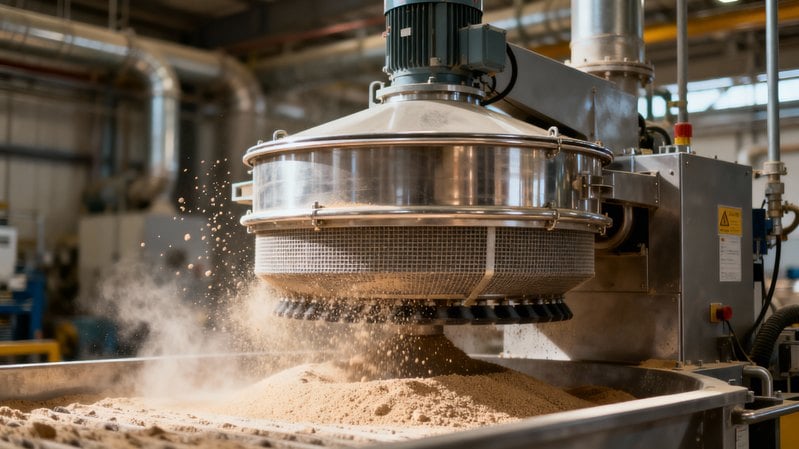
Why Ultrasonic Sieves Are Revolutionizing Industrial Material SeparationHow can industries achieve precise particle separation for challenging materials? Ultrasonic sieves provide a sophisticated solution to common screening limitations. This article explains their operational principles and industrial applications.
- A Guide of Waifu Generators How They Work, Their Uses, and the Future You Need in 2025
- How Gesture-Based Access Systems Improve Safety, Efficiency, and User Experience
- A Beginner's Guide to Building a Career in 3D Character Animation
- How to Choose the Right Forklift Hire for Your Business
- Save Big on the 2025 Hyundai Palisade: Tips, Deals, and Buying Secrets
- How Artificial Intelligence Is Shaping the Future of Customer Engagement