Have you considered the power of your own voice? The demand for skilled narration is growing across many industries. This guide provides the foundational knowledge to start your journey in voice artistry.
What a Voice Artist Does
A voice artist uses vocal skill to convey messages and emotions. They bring scripts to life for various media formats. Their work requires more than just a pleasant tone.
This profession involves significant technical and performance training. Artists must interpret copy and follow specific direction. They create unique character voices or a clear narrative tone.
The field includes commercial, animation, and audiobook work. Each category demands a distinct set of vocal skills. Success hinges on consistent delivery and professional conduct.
Essential Skills Every Voice Artist Needs
Becoming a voice artist involves cultivating both vocal ability and professional discipline. The most successful artists combine technical skill with emotional intelligence, constantly refining their craft through practice and feedback.
A strong foundation in diction, breathing, and pacing is crucial. Clear articulation ensures that every word is understandable, while proper breathing techniques allow you to sustain long sentences without strain. Listening skills are equally vital; analyzing professional voiceovers helps you understand how tone and delivery change with different contexts.
Versatility is another key element. A voice artist might perform as a child in one project and a corporate spokesperson in another. Learning to adapt vocal styles builds your range and marketability. Above all, storytelling remains the heart of voice work—your job is to make words feel alive, engaging, and believable.
Tools and Equipment to Get Started
One of the biggest advantages of voice acting is that you can start small and expand as your career grows. To begin, you’ll need a few essential tools.
A good-quality microphone is your primary investment. USB microphones like the Blue Yeti or XLR models like the Audio-Technica AT2020 are popular among beginners. Next, you’ll need headphones that offer accurate sound reproduction, allowing you to hear every nuance of your performance.
Recording in a quiet environment is vital, so setting up a sound-treated space—even a closet with soft materials—can drastically improve audio quality. Free or affordable software such as Audacity, Reaper, or Adobe Audition helps with editing and polishing your recordings.
As your skills develop, you can upgrade your equipment and soundproofing. What matters most at the start is learning how to capture clean, consistent sound and becoming comfortable with your recording process.
Building a Voice Acting Portfolio
Once you're confident in your ability, the next step is creating a demo reel—a short audio sample that showcases your vocal range and versatility. A strong demo typically includes various styles such as commercials, narrations, and character voices. Aim for clarity, emotion, and professional editing; this reel will serve as your introduction to casting directors and clients.
Building an online presence is equally important. Create a simple website or use professional platforms like Voices.com or Voice123 to display your demos and contact information. Social media channels, particularly LinkedIn and YouTube, can help attract opportunities and connect with other creatives.
Networking in voice acting communities provides exposure to casting calls, collaborations, and learning opportunities. Many successful voice actors started by freelancing on platforms like Fiverr, Upwork, or Bunny Studio before transitioning to agency representation or studio contracts.
Where to Find Voice Acting Opportunities
Thanks to the internet, aspiring voice artists can find work across multiple industries. Audiobook production, e-learning narration, podcast intros, corporate videos, and animation all require talented voices. Websites like Voices.com, Casting Call Club, and ACX (Amazon Audiobook Exchange) connect freelancers with clients seeking voice talent.
Video game studios, indie developers, and creative agencies regularly post open calls for auditions. Staying consistent in submitting samples and improving your craft is key to landing projects. Many artists also find opportunities by networking directly with content creators or marketing agencies that produce frequent voiceover work.
Future Directions in Voice Artistry
Digital distribution continues to create new opportunities. The audiobook market shows consistent annual growth. Online content needs more professional narration.
Technology is changing how we produce and consume audio. Synthetic voices are improving but lack human nuance. Remote recording sessions are now standard practice.
Globalization increases demand for multilingual voice talent. New media formats require adaptable performance skills. Specialization can help artists stand out.
Building Your Voiceover Career
Create a professional demo showcasing your range. Target specific niches that match your vocal qualities. Build a website with your portfolio and contact information.
Network with producers and other voice professionals. Consider professional coaching to refine your skills. Join industry organizations for resources and support.
Set realistic goals for your career progression. Track your auditions and learn from each experience. Your unique voice has a place in the market.
 A Practical Guide to Financial Growth Through Passive Income Online
- 3Dキャラクターアニメーションでキャリアを築くための初心者ガイド
- A Complete Guide to Work From Home Packaging and Labeling
- Organize Your Workspace: Smart Packaging and Labeling Ideas to Enhance Focus
- Step-by-Step Graphic Design Classes for Making Your Own VTuber Character



- Job & Education
A Practical Guide to Financial Growth Through Passive Income OnlineFor people aiming to strengthen their finances, online passive income has become an appealing path. Using approaches like affiliate promotions, self-paced digital classes, and blog-based publishing, it is possible to earn revenue that does not depend on constant daily labor. Beyond the monetary upside, this model can free up more time for meaningful work and personal interests. Looking into different online income channels is a practical first step toward greater financial flexibility built around your talents and goals.- Job & Education
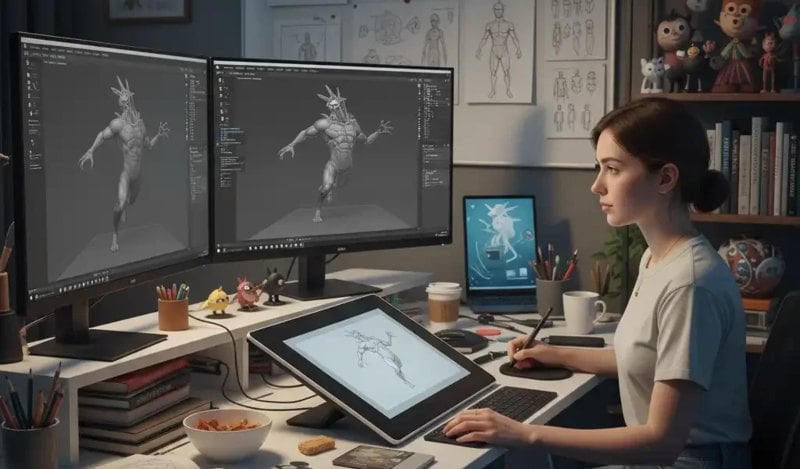
3Dキャラクターアニメーションでキャリアを築くための初心者ガイドキャラクタークリエイターは、現代メディアの視覚的アイデンティティを形作る上で重要な役割を果たしています。すべてのヒーロー、クリーチャー、アバターはアイデアとして始まり、デジタルツールを通じて表現豊かで動きのある姿へと変容していきます。- Job & Education
A Complete Guide to Work From Home Packaging and LabelingWhen you explore work from home packaging and labeling opportunities, you gain access to flexible tasks that can supplement your income without formal training. These roles allow you to work independently, organize your schedule, and complete straightforward duties from the comfort of your home.- Job & Education
Organize Your Workspace: Smart Packaging and Labeling Ideas to Enhance FocusAre you struggling to maintain focus while working from home? Remote work presents unique challenges for productivity and organization. This article shows how simple packaging and labeling methods can create a more efficient and focused work environment.- Job & Education
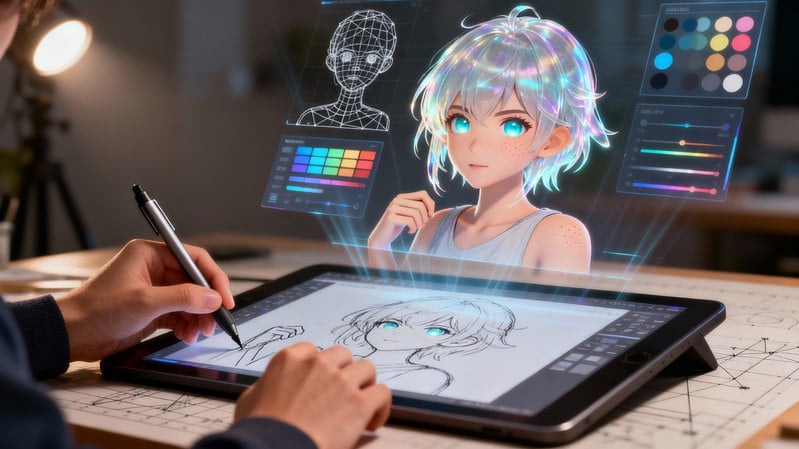
Step-by-Step Graphic Design Classes for Making Your Own VTuber CharacterHave you considered designing your own unique VTuber persona? Many aspiring creators face the initial challenge of visual identity without prior artistic training. This guide explores how beginner graphic design courses provide the foundational skills needed to create a compelling avatar from scratch.
- A Guide of Waifu Generators How They Work, Their Uses, and the Future You Need in 2025
- How Gesture-Based Access Systems Improve Safety, Efficiency, and User Experience
- A Beginner's Guide to Building a Career in 3D Character Animation
- How to Choose the Right Forklift Hire for Your Business
- Save Big on the 2025 Hyundai Palisade: Tips, Deals, and Buying Secrets
- How Artificial Intelligence Is Shaping the Future of Customer Engagement