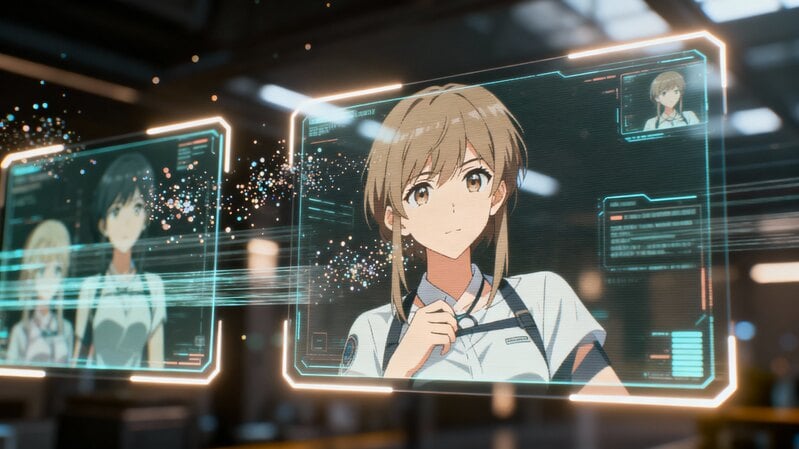
How can you establish a unique digital identity? Custom 3D avatars provide a powerful solution for online interaction. This guide explores the essential tools, practical tips, and available platforms for avatar creation.
What Is a 3D Avatar?
A 3D avatar is a digital representation used in virtual spaces. It moves and interacts within three-dimensional environments. This differs significantly from a static profile picture.
Users can customize these figures to reflect their appearance or an ideal self. The level of detail can range from simple cartoonish forms to highly realistic models. This flexibility makes them suitable for various applications.
Modern platforms allow for extensive personalization of these digital personas. You can adjust facial features, body type, clothing, and accessories. This process creates a unique virtual identity.
The Technology Behind 3D Avatars
Behind every avatar lies a mix of advanced design tools and powerful computing. The process typically begins with 3D modeling—creating a virtual mesh that defines the shape of your avatar. Once the model is built, designers apply textures and materials to give it skin tone, clothing, and accessories. Modern platforms use artificial intelligence to automate much of this work, allowing users to upload a photo that the system converts into a 3D likeness within minutes.
Motion capture and rigging technologies are then used to animate the avatar, enabling lifelike movements and expressions. Cloud computing ensures these complex operations happen smoothly online, eliminating the need for specialized hardware.
Real-time rendering engines, such as those used in gaming, make avatars appear more realistic, with accurate lighting, shadows, and motion. Together, these innovations make it possible for anyone to design high-quality avatars directly from a web browser.
Top Platforms for Creating 3D Avatars Online
A growing number of online tools now allow users to create 3D avatars easily and intuitively. Ready Player Me, one of the most popular platforms, lets you design an avatar compatible with hundreds of VR games and metaverse platforms. It generates a personalized model from a selfie, which you can further customize with hairstyles, clothing, and accessories.
ZEPETO focuses on social interaction, giving users a virtual space to meet and communicate with others through their avatars. Tafi Avatar Creator is widely used for VRChat and other immersive platforms, offering a blend of realism and stylized features.
For those interested in fashion and social media, IMVU Studio provides tools for designing animated avatars with detailed clothing and accessories, while VRoid Studio is perfect for anime fans who want to create Japanese-style 3D characters.
On the high-end side, MetaHuman Creator by Epic Games offers cinematic realism, allowing users to generate avatars that could easily fit into movies or AAA video games. Even casual users can explore simpler tools like Fotor or PixCap, which focus on browser-based modeling and fast design options. Each platform offers a balance between accessibility and creative control, catering to different styles and goals.
Choosing the Right Creation Platform
Once your avatar is complete, the next step is bringing it into your digital life. Many 3D avatars can be exported to popular platforms like VRChat, Roblox, and Fortnite, where they serve as your digital character during gameplay. Virtual meeting software such as Zoom, Microsoft Teams, or Spatial increasingly supports avatars, allowing participants to appear as animated figures rather than live video. Content creators can use avatars in videos or livestreams, while businesses can incorporate them into branding or marketing materials.
Avatars also play a major role in the metaverse—a growing network of interconnected virtual spaces. Within these environments, a consistent 3D avatar serves as your ongoing identity, letting others recognize you across multiple virtual worlds. This cross-platform adaptability makes avatars valuable assets for anyone building an online presence.
Practical Tips for a Successful Avatar
Follow these tips to create an effective and appealing 3D avatar. Start with a clear vision of your avatar's purpose and personality. This focus will guide your design choices and save time.
Pay close attention to the eyes and facial expressions, as they convey emotion. A neutral expression works well, but the ability to show simple emotions is valuable. Good expressiveness makes interactions feel more natural.
Do not overlook your avatar's wardrobe and color scheme. Outfits can often be changed later, so start with a versatile base look. Consistent color palettes tend to appear more cohesive and professional.
Benefits and Common Challenges
A well-made avatar offers significant benefits for digital communication. It provides a consistent and professional identity across different virtual platforms. This consistency helps others recognize and remember you.
Avatars also offer a layer of privacy, allowing you to control your visible identity. You can choose how much of your real appearance to reveal. This is particularly useful in public or large online forums.
The main challenge is the initial learning curve for some creation tools. Achieving a desired look can take practice and patience. Performance optimization for real-time use is another common consideration.
Conclusion
Creating your own 3D avatar is an accessible and valuable project. The right tools and a clear plan make the process straightforward. Your digital representation can enhance your online interactions significantly.
Start by exploring a platform that matches your current skill level. Apply the practical tips to design an avatar that truly represents you. This investment in your digital identity pays dividends in engagement.
The landscape of avatar technology continues to evolve rapidly. Staying informed about new tools and trends will help you maintain a modern digital presence. Your 3D avatar is your passport to the expanding virtual world.
 A Practical Guide to Financial Growth Through Passive Income Online
- 3Dキャラクターアニメーションでキャリアを築くための初心者ガイド
- A Complete Guide to Work From Home Packaging and Labeling
- Organize Your Workspace: Smart Packaging and Labeling Ideas to Enhance Focus
- Step-by-Step Graphic Design Classes for Making Your Own VTuber Character



- Job & Education
A Practical Guide to Financial Growth Through Passive Income OnlineFor people aiming to strengthen their finances, online passive income has become an appealing path. Using approaches like affiliate promotions, self-paced digital classes, and blog-based publishing, it is possible to earn revenue that does not depend on constant daily labor. Beyond the monetary upside, this model can free up more time for meaningful work and personal interests. Looking into different online income channels is a practical first step toward greater financial flexibility built around your talents and goals.- Job & Education
3Dキャラクターアニメーションでキャリアを築くための初心者ガイドキャラクタークリエイターは、現代メディアの視覚的アイデンティティを形作る上で重要な役割を果たしています。すべてのヒーロー、クリーチャー、アバターはアイデアとして始まり、デジタルツールを通じて表現豊かで動きのある姿へと変容していきます。- Job & Education
A Complete Guide to Work From Home Packaging and LabelingWhen you explore work from home packaging and labeling opportunities, you gain access to flexible tasks that can supplement your income without formal training. These roles allow you to work independently, organize your schedule, and complete straightforward duties from the comfort of your home.- Job & Education
Organize Your Workspace: Smart Packaging and Labeling Ideas to Enhance FocusAre you struggling to maintain focus while working from home? Remote work presents unique challenges for productivity and organization. This article shows how simple packaging and labeling methods can create a more efficient and focused work environment.- Job & Education
Step-by-Step Graphic Design Classes for Making Your Own VTuber CharacterHave you considered designing your own unique VTuber persona? Many aspiring creators face the initial challenge of visual identity without prior artistic training. This guide explores how beginner graphic design courses provide the foundational skills needed to create a compelling avatar from scratch.
- A Guide of Waifu Generators How They Work, Their Uses, and the Future You Need in 2025
- How Gesture-Based Access Systems Improve Safety, Efficiency, and User Experience
- A Beginner's Guide to Building a Career in 3D Character Animation
- How to Choose the Right Forklift Hire for Your Business
- Save Big on the 2025 Hyundai Palisade: Tips, Deals, and Buying Secrets
- How Artificial Intelligence Is Shaping the Future of Customer Engagement