Are you planning an office furniture purchase soon? This decision impacts daily productivity and long-term budget. We will explore key considerations to guide your selection process effectively.
Why Office Furniture Matters More Than You Think
Office furniture shapes how employees work, feel, and interact throughout the day. A poorly designed chair can lead to chronic back pain, while a well-placed desk layout can boost teamwork and workflow efficiency.
Productivity and Morale: Studies show that comfortable, ergonomic furniture enhances focus and reduces fatigue, allowing employees to work longer without strain. A pleasant workspace also boosts morale, showing workers that their well-being matters.
Ergonomics and Health: Furniture designed with ergonomics in mind promotes correct posture, reduces muscle strain, and minimizes repetitive stress injuries. This not only improves health but also decreases absenteeism and long-term medical costs.
Company Image and Culture: Your office design reflects your brand’s professionalism and values. A modern, organized office sends a strong message to clients and employees about innovation, efficiency, and care.
Key Factors to Consider Before Buying Office Furniture
Before you start shopping, take time to evaluate the core factors that determine whether your furniture will truly meet your business needs.
1. Ergonomics:
Ergonomic furniture is essential for long-term comfort and productivity. Look for adjustable chairs with lumbar support, desks with proper height settings, and monitor stands that reduce neck strain. The goal is to create a workspace that adapts to people—not the other way around.
2. Space Planning:
Measure your office space carefully before purchasing. Overcrowding can lead to discomfort and inefficiency. Use a scaled floor plan to visualize where each piece will fit, leaving enough room for movement and collaboration.
3. Quality and Durability:
Office furniture must withstand years of daily use. Check for sturdy materials like steel frames, high-density foam cushions, and durable laminate or solid-wood surfaces. Choosing quality now avoids the need for early replacements later.
Understanding Different Types of Office Furniture
Knowing what types of furniture your office needs helps avoid unnecessary purchases and improves workflow efficiency.
Desks:
Desks are the centerpiece of any workspace. Traditional desks work well for executives, while height-adjustable standing desks support active work habits. Modular desks are ideal for growing teams that need flexible arrangements.
Chairs:
Office chairs should be ergonomic, adjustable, and supportive. Task chairs suit everyday use, while executive chairs offer luxury and extra padding for leadership offices. Consider mesh designs for breathability or padded leather for comfort and prestige.
Storage Solutions:
Filing cabinets, mobile pedestals, and shelving units help maintain organization. Modern offices often use vertical storage or modular systems to maximize floor space and maintain a clutter-free environment.
Conference and Meeting Tables:
Choose tables that fit your meeting style. Rectangular tables encourage formality, while round or modular options promote collaboration. Built-in power ports and cable management are essential for hybrid meetings.
Reception and Lounge Furniture:
The reception area is the first impression of your business. Comfortable seating, stylish coffee tables, and branded décor create a welcoming atmosphere for clients and guests.
Sustainability and Eco-Friendly Choices
Sustainability has become a growing priority for modern businesses. Choosing eco-friendly furniture not only supports the planet but also enhances brand reputation.
Opt for pieces made from recycled or renewable materials such as bamboo, reclaimed wood, or metal. Look for sustainability certifications like FSC (Forest Stewardship Council) or GREENGUARD, which indicate low emissions and responsible sourcing.
Environmentally friendly choices often have a longer lifespan and lower toxicity, improving indoor air quality. Additionally, many companies now offer "take-back" programs that recycle or refurbish used furniture, reducing landfill waste.
By investing in sustainable furniture, businesses contribute to global responsibility while creating a healthier workspace for employees.
Implementation and Space Planning
Create a detailed floor plan before furniture delivery. Account for electrical outlets, windows, and door swings. This prevents placement issues and ensures proper spacing.
Phase your implementation if working with a limited budget. Start with critical areas like workstations and meeting rooms. Expand to common areas and support spaces later.
Involve employees in the planning process when possible. They understand their daily workflow needs best. Their input can reveal important practical considerations.
Making Your Final Selection
Review all collected information before making final decisions. Confirm that chosen pieces meet your established criteria. This systematic approach yields the best long-term value.
Consider testing key items before purchasing in quantity. Many suppliers offer sample chairs or desk setups. Hands-on evaluation prevents disappointing surprises later.
Plan for delivery, assembly, and potential returns. Understand vendor policies and timeframes for these services. Proper preparation ensures a smooth transition to your new furniture.
 From Fan to Creator: Building Worlds in Roblox
- Get Robux for Free and Level Up Your Roblox Experience
- Discover safe and proven ways to get free Robux and grow your account
- Is Free Robux Really Possible? The Truth Every Roblox Player Needs to Know
- Why Custom Skins Matter in Construction Software




- Everything Else
From Fan to Creator: Building Worlds in RobloxIf you have ever searched for free Robux, you probably landed on suspicious websites, fake generators, or videos promising instant rewards. You are not alone. Almost every Roblox player reaches a moment where they want more Robux — for better outfits, cooler items, or faster progress. The good news is that understanding Roblox itself is the first step. Once you know how this universe works, everything else becomes easier, safer, and more fun. Before talking about earning Robux, let's explore the world where it lives. Because Roblox is not just a game. It is an entire digital universe built by players, powered by creativity, and connected by Robux.- Everything Else
Get Robux for Free and Level Up Your Roblox ExperienceAre you trying to level up your Roblox experience without spending real money? You are not alone. The internet is full of free Robux promises, shady generators, and fake hacks that put your account at risk. But here is the truth: there are real, safe, and proven ways to earn Robux without paying. In this guide, you will learn exactly how legitimate free Robux methods work, how to avoid scams, and how to start building your Robux balance the smart way. Stay with us — your Roblox journey is about to upgrade.- Everything Else
Discover safe and proven ways to get free Robux and grow your accountRoblox is free to play, but Robux is the fuel that powers everything fun inside the platform. The problem is simple: Robux costs real money, and many players — especially younger ones — want ways to earn it without paying. If you search online for "free Robux," you will find hundreds of videos, generators, and websites promising instant rewards. Most of them are scams. Some waste your time. Others try to steal accounts. A few legitimate methods do exist, but they require patience and understanding of how Roblox's economy works. This guide gives you a full, realistic, and safe roadmap. You will learn what is actually possible, what is not, how to spot scams, and how to build long-term Robux income streams inside the Roblox ecosystem.- Everything Else
Is Free Robux Really Possible? The Truth Every Roblox Player Needs to Know"Can I really get free Robux without paying?" "Is this free Robux site safe?" "Why did my friend lose their Roblox account after trying a generator?" If you play Roblox, chances are you have asked at least one of these questions. Robux is the lifeblood of the Roblox universe. It lets you dress your avatar, unlock premium zones, buy game passes, and stand out in social spaces. For many players, Robux is not just currency — it is status, identity, and freedom inside the game.- Everything Else
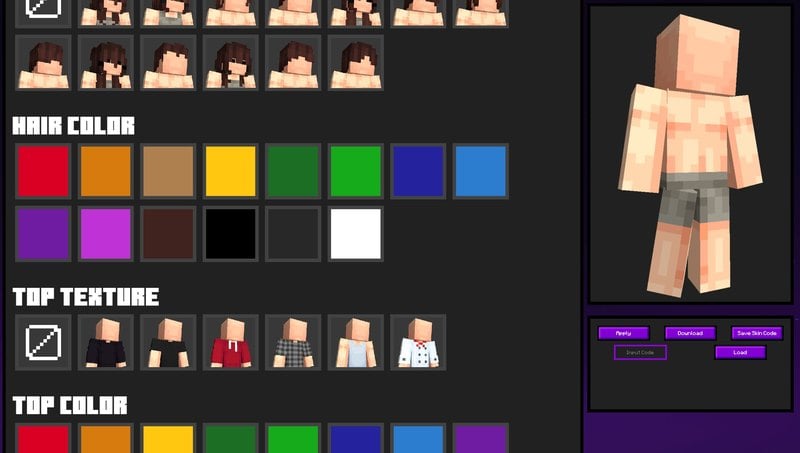
Why Custom Skins Matter in Construction SoftwareWhy do construction teams still rely on printed notes, phone calls, or memory even after adopting modern software? In many cases, the issue is not resistance to technology. It is that the software does not match how work actually happens on site. Custom skins in construction software address this gap. Instead of focusing on visual style alone, skins can reshape how information is prioritized, noticed, and acted on. This article explores how custom skins reduce errors, speed up field work, and improve coordination across construction teams.
- A Guide of Waifu Generators How They Work, Their Uses, and the Future You Need in 2025
- How Gesture-Based Access Systems Improve Safety, Efficiency, and User Experience
- A Beginner's Guide to Building a Career in 3D Character Animation
- How to Choose the Right Forklift Hire for Your Business
- Save Big on the 2025 Hyundai Palisade: Tips, Deals, and Buying Secrets
- How Artificial Intelligence Is Shaping the Future of Customer Engagement