You may already know exactly which Smart TV you want, but the full price still gives you pause at checkout. Buy Now, Pay Later plans turn that hesitation into confidence by spreading the cost into installments. Understanding what really happens after you choose BNPL helps you avoid long-term regret.
What Does Buy Now, Pay Later Mean for Smart TVs?
Buy Now, Pay Later, often shortened to BNPL, is a financing method that allows you to purchase a Smart TV immediately while paying for it over time through fixed installments. Instead of paying the full cost at checkout, you agree to a repayment schedule that may last from a few weeks to several months.
For Smart TVs, BNPL is most commonly used to reduce the psychological barrier of high upfront prices. A television priced at $1,200 may feel excessive as a single expense, but far more reasonable when divided into twelve payments of $100. The product itself does not become cheaper, but the way the cost is experienced changes significantly.
Another defining aspect of BNPL for Smart TVs is immediate ownership. Once the transaction is approved, the TV is delivered or picked up right away. Unlike layaway programs, there is no waiting period tied to payment completion. This instant access increases convenience, but it also means the financial commitment begins before the novelty wears off.
BNPL for Smart TVs is typically short to medium term. While some plans extend up to two years, most fall within a range that feels manageable, which is exactly why they are so widely used for televisions compared to larger household appliances.
How BNPL Reshapes the Way You Think About Price
BNPL does not just spread payments. It fundamentally changes how cost is evaluated.
When you see a four-digit price tag on a Smart TV, your attention is drawn to the total amount leaving your account at once. BNPL shifts that attention to the installment amount instead. Monthly or biweekly payments feel easier to justify, even if the total cost remains the same or increases slightly due to interest.
This reframing encourages upgrades. A larger screen, a better panel, or premium features feel attainable when the difference appears as an extra $20 or $30 per month. Over time, these incremental decisions can lead to significantly higher spending than originally planned.
Understanding this shift in perception is critical. BNPL can be helpful when used intentionally, but it can also quietly weaken spending discipline if the total cost is no longer front of mind.
What Actually Happens After You Choose BNPL at Checkout
The BNPL process appears simple on the surface, but several important steps occur once you confirm your purchase.
First, the BNPL provider evaluates basic personal information and payment history. This process usually involves a soft credit check or alternative data rather than a traditional loan application. Approval decisions are made quickly, often within seconds.
Once approved, the BNPL provider pays the retailer, usually in full. From the retailer's perspective, the sale is complete. From your perspective, a structured debt obligation has just begun.
Your payment schedule is then activated. Payments are automatically withdrawn from a linked payment method according to the agreed timeline. These withdrawals are not optional or flexible, and missed payments can trigger fees almost immediately.
This structure means BNPL requires active financial awareness even though it feels passive. Automatic payments remove friction, but they also remove reminders.
Choosing a Payment Plan Based on How You Will Use the TV
Before selecting a BNPL plan, it is worth evaluating how central the TV will be to your daily routine.
If the TV is mainly used for casual streaming or background viewing, premium features may not provide enough value to justify long-term payments. In these cases, a lower-priced model with a short repayment period often delivers better overall satisfaction.
If the TV is a core entertainment device used for gaming, sports, or movie nights, higher-end features may offer lasting value. Financing these features can make sense, but only if the repayment timeline aligns with how long you expect to enjoy them.
BNPL works best when the length of the payment plan matches the intensity and duration of use. Long payments for occasional use rarely feel worthwhile in hindsight.
Smart TV Features That Matter More When You Pay Over Time
Certain features have a direct impact on whether a financed Smart TV continues to feel like a good decision months into repayment.
Screen size should be chosen based on room size and viewing distance, not emotional impact in a store. An oversized screen can look impressive initially but uncomfortable in daily use. Paying installments for a size that does not improve viewing quality leads to regret.
Panel technology affects everyday satisfaction. Standard LED panels are often sufficient for most households, while QLED and OLED offer noticeable improvements in brightness and contrast. Financing premium panels only makes sense if your viewing environment allows you to benefit from them.
Processing speed and software stability are often overlooked. A TV that becomes sluggish or loses app compatibility during the payment period can feel outdated long before it is paid off.
Connectivity options also matter. HDMI standards, wireless performance, and compatibility with external devices determine how long the TV remains useful. A financed TV should remain relevant throughout the repayment period and beyond.
Short-Term BNPL Plans Versus Long-Term Installments
The length of a BNPL plan significantly affects both risk and cost.
Short-term plans, often structured as pay-in-four, are best used as cash flow tools. They work well when you already have the funds but prefer to spread payments over a short period. These plans reduce interest exposure and minimize long-term commitment.
Long-term installment plans feel easier month to month, but they increase the chance of interest charges and missed payments. They also require the TV to remain satisfying for a longer period, which can be challenging in a fast-moving technology market.
As a general rule, the longer the plan, the more carefully the purchase should be evaluated.
How BNPL Compares With Other Payment Methods
BNPL is not always the cheapest or safest way to pay for a Smart TV.
Credit cards offer flexibility and rewards but charge high interest if balances are not paid off quickly. Store financing can provide long zero-interest periods, but missing a deadline can trigger deferred interest.
Personal loans offer predictable payments and lower interest for qualified borrowers, but they require formal applications and are often unnecessary for a single electronics purchase.
BNPL sits between these options, offering speed and structure with fewer barriers, but also less margin for error.
Common BNPL Mistakes Smart TV Buyers Make
One of the most common mistakes is stacking multiple BNPL plans across different purchases. Each payment may feel manageable on its own, but together they can strain monthly income.
Another frequent issue is poor payment timing. Automatic withdrawals that do not align with paydays can cause overdrafts even when overall income is sufficient.
Some buyers also underestimate how quickly Smart TV technology evolves. Paying for a TV over two years can feel frustrating if newer models appear long before the plan ends.
Avoiding these mistakes requires treating BNPL as real debt, not a temporary convenience.
When BNPL Makes Sense and When It Does Not
BNPL works best when income is stable, repayment periods are short, and purchases are planned rather than impulsive. In these situations, it can improve cash flow without creating financial stress.
BNPL becomes risky when used to justify spending beyond comfort levels or when repayment stretches far into the future. If paying upfront feels uncomfortable, financing may be amplifying risk rather than solving it.
The key question is not whether BNPL is available, but whether it aligns with your budget, habits, and long-term plans.
Conclusion
Buy Now, Pay Later has changed how people purchase Smart TVs by removing upfront barriers and reshaping how price is perceived. Used carefully, it offers flexibility and access to better technology without immediate financial strain. Used casually, it can extend payments beyond the enjoyment of the product and quietly erode budgets. Understanding what BNPL really means for Smart TVs allows you to make decisions that improve your viewing experience without creating lasting financial pressure.
 From Fan to Creator: Building Worlds in Roblox
- Get Robux for Free and Level Up Your Roblox Experience
- Discover safe and proven ways to get free Robux and grow your account
- Is Free Robux Really Possible? The Truth Every Roblox Player Needs to Know
- Why Custom Skins Matter in Construction Software
- Everything Else
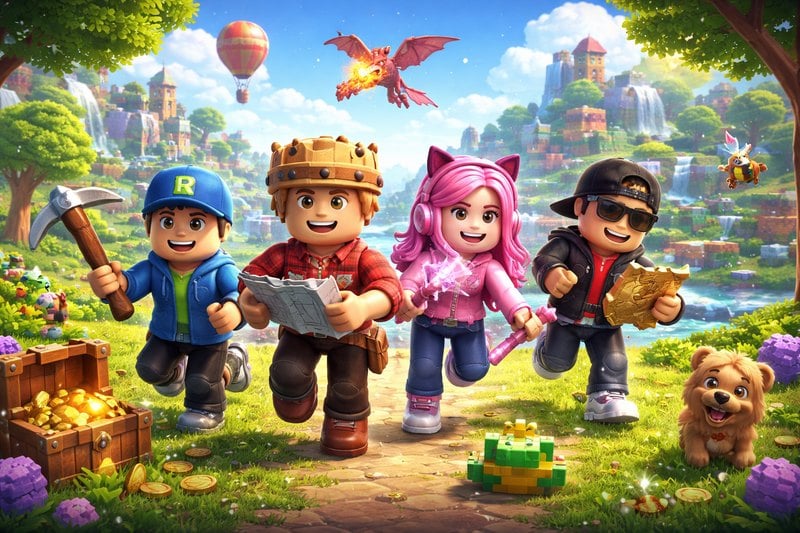
From Fan to Creator: Building Worlds in RobloxIf you have ever searched for free Robux, you probably landed on suspicious websites, fake generators, or videos promising instant rewards. You are not alone. Almost every Roblox player reaches a moment where they want more Robux — for better outfits, cooler items, or faster progress. The good news is that understanding Roblox itself is the first step. Once you know how this universe works, everything else becomes easier, safer, and more fun. Before talking about earning Robux, let's explore the world where it lives. Because Roblox is not just a game. It is an entire digital universe built by players, powered by creativity, and connected by Robux.- Everything Else
Get Robux for Free and Level Up Your Roblox ExperienceAre you trying to level up your Roblox experience without spending real money? You are not alone. The internet is full of free Robux promises, shady generators, and fake hacks that put your account at risk. But here is the truth: there are real, safe, and proven ways to earn Robux without paying. In this guide, you will learn exactly how legitimate free Robux methods work, how to avoid scams, and how to start building your Robux balance the smart way. Stay with us — your Roblox journey is about to upgrade.- Everything Else
Discover safe and proven ways to get free Robux and grow your accountRoblox is free to play, but Robux is the fuel that powers everything fun inside the platform. The problem is simple: Robux costs real money, and many players — especially younger ones — want ways to earn it without paying. If you search online for "free Robux," you will find hundreds of videos, generators, and websites promising instant rewards. Most of them are scams. Some waste your time. Others try to steal accounts. A few legitimate methods do exist, but they require patience and understanding of how Roblox's economy works. This guide gives you a full, realistic, and safe roadmap. You will learn what is actually possible, what is not, how to spot scams, and how to build long-term Robux income streams inside the Roblox ecosystem.- Everything Else
Is Free Robux Really Possible? The Truth Every Roblox Player Needs to Know"Can I really get free Robux without paying?" "Is this free Robux site safe?" "Why did my friend lose their Roblox account after trying a generator?" If you play Roblox, chances are you have asked at least one of these questions. Robux is the lifeblood of the Roblox universe. It lets you dress your avatar, unlock premium zones, buy game passes, and stand out in social spaces. For many players, Robux is not just currency — it is status, identity, and freedom inside the game.- Everything Else
Why Custom Skins Matter in Construction SoftwareWhy do construction teams still rely on printed notes, phone calls, or memory even after adopting modern software? In many cases, the issue is not resistance to technology. It is that the software does not match how work actually happens on site. Custom skins in construction software address this gap. Instead of focusing on visual style alone, skins can reshape how information is prioritized, noticed, and acted on. This article explores how custom skins reduce errors, speed up field work, and improve coordination across construction teams.
- A Guide of Waifu Generators How They Work, Their Uses, and the Future You Need in 2025
- How Gesture-Based Access Systems Improve Safety, Efficiency, and User Experience
- A Beginner's Guide to Building a Career in 3D Character Animation
- How to Choose the Right Forklift Hire for Your Business
- Save Big on the 2025 Hyundai Palisade: Tips, Deals, and Buying Secrets
- How Artificial Intelligence Is Shaping the Future of Customer Engagement