In 99 Nights in the Forest, staying alive depends on more than luck. Equipment matters, and trading is one of the most reliable ways to improve it. This guide focuses on how players can exchange animal pelts for useful gear, how the trading system actually works, and how to avoid common mistakes. With the right knowledge, even the early nights become easier to manage.
The Role of Trading in 99 Nights
Trading in 99 Nights in the Forest is built directly into the game’s survival loop. You explore, hunt animals, collect pelts, and exchange them for items that help you last longer. Instead of crafting everything yourself, trading lets you upgrade faster.
The most important thing to know is that this system is not the same as Roblox-wide player trading. You are not dealing with other players or risking valuable collectibles. The main trading activity happens with a specific in-game character.
Using trading well allows you to:
-
Reduce early difficulty
-
Unlock better tools sooner
-
Prepare for stronger enemies
-
Explore dangerous areas more safely
Understanding Different Types of Trading
Players sometimes confuse in-game trading with Roblox platform trading. Knowing the difference helps avoid mistakes.
| Trade Type | Who Is Involved | What Is Exchanged |
|---|---|---|
| Forest Trading | NPC trader | Animal pelts for gear |
| Roblox Trading | Other players | Limited items, Robux |
This article focuses mainly on forest trading, with a short section later about general Roblox safety.
Who the Pelt Trader Is and Why He Matters
The Pelt Trader is a non-player character who helps you convert hunted resources into survival equipment. He usually begins appearing after your first successful night, often starting on Day 2.
His visits are not guaranteed every day, but the game always alerts you when he arrives. He sets up near familiar landmarks like your campfire, making him easy to find if you act quickly.
Each visit comes with limits. He only accepts a small number of trades before leaving, so preparation is important. His first trade is almost always beginner-friendly, helping new players ease into the system.
When and Where to Find the Trader
You do not need to search the entire forest to locate him. Watching for simple signals saves time and keeps you safe.
Key details:
-
Appears after your first night
-
Arrival message appears on screen
-
Usually stays near the camp area
-
Leaves after trades are completed or when night starts
Being ready before he arrives makes a big difference.
Animal Pelts and How to Collect Them
Pelts are dropped by animals you defeat in the forest. Each type represents a different challenge level. Early-game animals are easy to hunt, while later ones require stronger gear and planning.
The most common pelts used for trading include Bunny Foot, Wolf Pelt, Alpha Wolf Pelt, and Bear Pelt.
| Pelt | Source | Typical Area | Threat Level |
|---|---|---|---|
| Bunny Foot | Rabbits | Open ground near camp | Low |
| Wolf Pelt | Wolves | Forest paths | Medium |
| Alpha Wolf Pelt | Alpha Wolves | Caves and ruins | High |
| Bear Pelt | Bears | Deep forest | Very High |
Tips for Safe Hunting Early On
New players often struggle because they rush into dangerous zones too early. Taking small steps helps build confidence and resources.
Helpful advice:
-
Start with rabbits to learn movement and timing
-
Avoid deep forest areas without armor
-
Always carry food and healing items
-
Use campfire light to recover early
-
Hunt stronger animals with teammates when possible
Running away is part of survival, not a failure.
What the Trader Can Give You
The Pelt Trader offers equipment that falls into several categories: storage, tools, weapons, and armor. Each item improves a specific part of survival.
| Item | Function | Why It Helps |
|---|---|---|
| Good Sack | More inventory | Fewer camp trips |
| Spear | Melee weapon | Early protection |
| Flashlight | Strong light | Night visibility |
| Good Axe | Faster wood | Fire maintenance |
| Strong Axe | Very fast wood | Time saving |
| Light Armor | Basic defense | Reduces damage |
| Iron Body Armor | Heavy defense | Survive strong enemies |
| Revolver | Mid-range weapon | Safer combat |
| Rifle | Long-range weapon | High-risk hunting |
Choosing the Right First Trades
Early trades shape how smooth your run feels. Spending rare pelts too early can slow progress.
Strong early priorities include:
-
Flashlight for visibility
-
Inventory upgrades for efficiency
-
A basic weapon for defense
-
Light armor for safer exploration
Choose items based on what you struggle with most.
How Trading Works Step by Step
Trading itself is simple and fast.
-
Collect the required pelt
-
Wait for the trader’s arrival alert
-
Find him near camp
-
Open your inventory
-
Place the correct pelt into the trade slot
-
Receive the item immediately
Once a trade is completed, it cannot be undone.
Common Trading Mistakes
Mistakes usually come from excitement or poor planning.
Things to avoid:
-
Using rare pelts on small upgrades
-
Trading for items you already own
-
Spending all trades in one visit without thinking ahead
Planning a few nights ahead improves results.
Simple Strategies for New Players
Having a direction helps reduce stress.
Two beginner-friendly approaches:
Exploration Focus
-
Flashlight
-
Storage upgrades
-
Light armor
Combat Focus
-
Early weapon upgrades
-
Strong armor
-
Faster access to rare pelts
Both work if supported by good camp management.
Example Progression for Early Nights
| Nights | Objective | Pelts | Suggested Trades |
|---|---|---|---|
| 1–3 | Learn systems | Bunny, Wolf | Flashlight, Sack |
| 4–7 | Improve strength | Wolf, Alpha | Weapon, Armor |
| 8–10 | Prepare deeper runs | Alpha, Bear | Rifle, Heavy Gear |
Adapting to luck and team size is always important.
Staying Safe When Trading on Roblox
Trading with the Pelt Trader is safe because it is part of the game. Trading with real players elsewhere on Roblox requires caution.
Safety reminders:
-
Never share passwords
-
Avoid unofficial links
-
Use Roblox’s built-in trade system
-
Ask for help if unsure
Building Good Trading Habits
Smart habits protect your account.
-
Check trade details carefully
-
Do not rush decisions
-
Decline offers that feel suspicious
-
Remember that saying no is fine
Being careful keeps the game enjoyable.
Preparing for the Long Nights Ahead
With a solid understanding of trading, the forest becomes less overwhelming. You know how to collect pelts, when to trade, and which items improve survival the most.
Each trader visit is a chance to grow stronger and push farther into the unknown. Try different strategies, coordinate with friends, and learn from each run.
The forest is still dangerous, but now you are prepared. Use what you have learned, trade wisely, and see how far you can make it through the nights.
 From Fan to Creator: Building Worlds in Roblox
- Get Robux for Free and Level Up Your Roblox Experience
- Discover safe and proven ways to get free Robux and grow your account
- Is Free Robux Really Possible? The Truth Every Roblox Player Needs to Know
- Why Custom Skins Matter in Construction Software


- Everything Else
From Fan to Creator: Building Worlds in RobloxIf you have ever searched for free Robux, you probably landed on suspicious websites, fake generators, or videos promising instant rewards. You are not alone. Almost every Roblox player reaches a moment where they want more Robux — for better outfits, cooler items, or faster progress. The good news is that understanding Roblox itself is the first step. Once you know how this universe works, everything else becomes easier, safer, and more fun. Before talking about earning Robux, let's explore the world where it lives. Because Roblox is not just a game. It is an entire digital universe built by players, powered by creativity, and connected by Robux.- Everything Else
Get Robux for Free and Level Up Your Roblox ExperienceAre you trying to level up your Roblox experience without spending real money? You are not alone. The internet is full of free Robux promises, shady generators, and fake hacks that put your account at risk. But here is the truth: there are real, safe, and proven ways to earn Robux without paying. In this guide, you will learn exactly how legitimate free Robux methods work, how to avoid scams, and how to start building your Robux balance the smart way. Stay with us — your Roblox journey is about to upgrade.- Everything Else
Discover safe and proven ways to get free Robux and grow your accountRoblox is free to play, but Robux is the fuel that powers everything fun inside the platform. The problem is simple: Robux costs real money, and many players — especially younger ones — want ways to earn it without paying. If you search online for "free Robux," you will find hundreds of videos, generators, and websites promising instant rewards. Most of them are scams. Some waste your time. Others try to steal accounts. A few legitimate methods do exist, but they require patience and understanding of how Roblox's economy works. This guide gives you a full, realistic, and safe roadmap. You will learn what is actually possible, what is not, how to spot scams, and how to build long-term Robux income streams inside the Roblox ecosystem.- Everything Else
Is Free Robux Really Possible? The Truth Every Roblox Player Needs to Know"Can I really get free Robux without paying?" "Is this free Robux site safe?" "Why did my friend lose their Roblox account after trying a generator?" If you play Roblox, chances are you have asked at least one of these questions. Robux is the lifeblood of the Roblox universe. It lets you dress your avatar, unlock premium zones, buy game passes, and stand out in social spaces. For many players, Robux is not just currency — it is status, identity, and freedom inside the game.- Everything Else
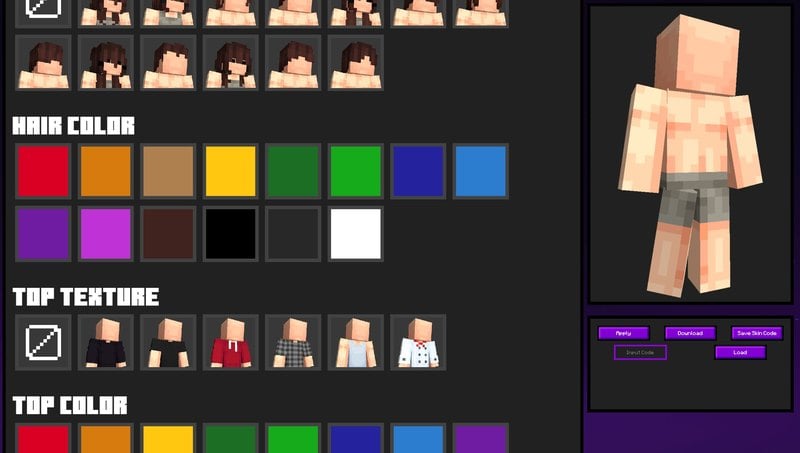
Why Custom Skins Matter in Construction SoftwareWhy do construction teams still rely on printed notes, phone calls, or memory even after adopting modern software? In many cases, the issue is not resistance to technology. It is that the software does not match how work actually happens on site. Custom skins in construction software address this gap. Instead of focusing on visual style alone, skins can reshape how information is prioritized, noticed, and acted on. This article explores how custom skins reduce errors, speed up field work, and improve coordination across construction teams.
- A Guide of Waifu Generators How They Work, Their Uses, and the Future You Need in 2025
- How Gesture-Based Access Systems Improve Safety, Efficiency, and User Experience
- A Beginner's Guide to Building a Career in 3D Character Animation
- How to Choose the Right Forklift Hire for Your Business
- Save Big on the 2025 Hyundai Palisade: Tips, Deals, and Buying Secrets
- How Artificial Intelligence Is Shaping the Future of Customer Engagement