Chatrooms were the original social networks, and their influence is woven into almost every online communication tool we use today. Let's take a closer look at what makes chatrooms so important — from their origins to their modern transformations.
1. What Exactly Is a Chatroom?
A chatroom is an online space where users exchange messages instantly, in real time. Unlike email, where you wait for a reply, or forums, where posts stay static, chatrooms are alive — messages appear as they're typed, and the conversation flows continuously.
Some chatrooms are open to the public, allowing anyone to join. Others are private spaces — accessible only through invitations or passwords. While early chatrooms focused on text-only communication, today's versions include emojis, GIFs, images, voice, and video, making online interaction feel increasingly natural.
2. The Origins of Chatrooms: From IRC to Instant Messaging
The story of chatrooms starts long before smartphones and social media.
-
1988 – Internet Relay Chat (IRC):
Finnish developer Jarkko Oikarinen created IRC, one of the first systems allowing users to join "channels" and exchange real-time text messages. It was revolutionary for its time — people could communicate live across countries for free. -
1990s – The Golden Age of Online Chat:
Platforms like AOL Chat, Yahoo! Chat, and MSN Messenger brought chatrooms into millions of homes. People gathered in topic-based rooms — from "music lovers" to "teen hangouts" — and formed genuine communities. -
2000s – Instant Messaging and Expansion:
As the internet matured, chatrooms blended with instant messaging. ICQ, Skype, and Google Talk introduced features like contact lists, file sharing, and voice calls. -
2010s – The Modern Reinvention:
Platforms such as Slack (for work) and Discord (for gaming and communities) redefined the chatroom as a multi-functional tool. Real-time messaging became essential for teamwork, entertainment, and online learning. -
2020s – Integrated Communication:
Today's chatrooms are everywhere: in gaming platforms, classrooms, virtual reality, and even AI-driven environments. The spirit of the early IRC channels lives on — but now powered by cloud servers and encrypted technology.
3. Why Chatrooms Still Matter in 2025
Despite the rise of social media and video communication, chatrooms remain irreplaceable. Here's why:
-
Real-Time Interaction:
Chatrooms allow immediate connection — something forums, emails, or social networks can't fully match. -
Community and Belonging:
Niche groups thrive in chatrooms, from gaming clans to hobby enthusiasts. These spaces foster friendships that often outlast the platforms themselves. -
Accessibility and Speed:
Chatrooms work on almost any device, even with limited bandwidth. That makes them ideal for developing regions or low-data environments. -
Privacy and Anonymity:
Unlike public social feeds, chatrooms can be private or semi-anonymous, giving users control over their identity and conversations. -
Collaboration and Learning:
Many companies and educators now rely on chat-based collaboration — from Slack project threads to Discord study groups.
In short, chatrooms persist because they meet a basic human need: to talk and connect in the moment.
4. Modern Types of Chatrooms and How They're Used
1. Public Chatrooms – Open to everyone, often focused on a common theme.
Example: A gaming community on Discord or a live event chat on Twitch.
2. Private Chatrooms – Access restricted by invitation or password.
Example: A team's private workspace on Slack or a closed Telegram group.
3. Professional Chatrooms – Built for workplace collaboration.
Example: Microsoft Teams or Google Chat channels for project discussions.
4. Educational Chatrooms – Used in online learning platforms.
Example: Class chats in Google Classroom or live Q&A discussions on Zoom.
5. Support Chatrooms – Provide emotional or technical help.
Example: Mental health support rooms like 7 Cups or volunteer-led peer chats.
6. Hobby and Interest Chatrooms – Centered on shared passions.
Example: Art-sharing communities on DeviantArt or writers' groups on Discord.
Each type serves a unique purpose — some for fun, some for productivity, and others for genuine human support.
5. The Technology Behind Chatrooms
Behind every smooth chat experience is a set of technologies working silently:
-
WebSocket Protocols: Enable instant two-way communication between browsers and servers.
-
Cloud Hosting: Allows chatrooms to scale for thousands of users at once.
-
Database Systems: Store messages and user data efficiently.
-
Encryption: Protects private messages from unauthorized access (used by Telegram, Signal, and others).
-
Bots and Automation: Handle repetitive tasks like welcoming users, sharing links, or filtering spam.
For example, Discord uses real-time WebSocket connections to deliver messages instantly, while Slack integrates with productivity APIs like Google Drive and Trello. The seamlessness users enjoy today is the result of decades of software evolution — transforming simple text chat into multi-layered, intelligent systems.
6. The Cultural Impact of Chatrooms
Chatrooms have shaped internet culture in ways few technologies have.
-
Birth of Online Communities: Before Facebook groups or Reddit threads, chatrooms were where people with similar interests first gathered.
-
Digital Language and Slang: Terms like "LOL," "BRB," and "AFK" all originated from early chatroom culture.
-
Subcultures and Movements: From hacker communities on IRC to early fandoms, chatrooms built the foundation of today's digital tribes.
-
Online Friendships and Relationships: Many people met lifelong friends — and even spouses — through chatrooms.
-
Grassroots Activism: During major global events, chatrooms enabled real-time organization and citizen reporting long before Twitter existed.
Chatrooms, in many ways, were the training grounds for the social internet.
7. Staying Safe in Chatrooms: Modern Rules for Digital Etiquette
While chatrooms offer connection, they also require caution and respect.
Safety Tips:
-
Never share personal information with strangers.
-
Be wary of unsolicited links or downloads.
-
Choose reputable platforms with encryption and active moderation.
-
Use strong, unique passwords for each account.
Etiquette Guidelines:
-
Greet others before joining in a conversation.
-
Avoid spamming or sending repetitive messages.
-
Respect the topic of the room — off-topic chatter can be disruptive.
-
Thank moderators; they keep the space safe for everyone.
These may sound simple, but they are what keep chatrooms welcoming and productive.
8. The Business Side of Chatrooms
Chatrooms are not just for casual talk — they've become serious business tools.
Companies use chat platforms like Slack, Microsoft Teams, and Mattermost to replace email-heavy workflows. Instead of sending dozens of messages, teams communicate instantly in organized channels, speeding up decision-making.
In 2024, Slack reported over 35 million daily active users, and studies by Gartner found that companies using chat-based collaboration tools improved productivity by up to 25%.
Businesses also create community chatrooms for customer engagement — think of product support channels or user feedback hubs. These real-time spaces help companies build stronger customer relationships while gathering insights directly from their audience.
Conclusion
Chatrooms might have started as lines of scrolling text on a black screen, but they changed the world of communication forever. They were the birthplace of online communities, digital friendships, and instant global conversations. Even now, whether it's a gaming server, a study group, or a work channel, the spirit of the chatroom lives on.
Every ping, every emoji, every quick reply we send today owes something to that simple idea born decades ago — a shared space where people, separated by distance, can still feel connected in real time.
 From Fan to Creator: Building Worlds in Roblox
- Get Robux for Free and Level Up Your Roblox Experience
- Discover safe and proven ways to get free Robux and grow your account
- Is Free Robux Really Possible? The Truth Every Roblox Player Needs to Know
- Why Custom Skins Matter in Construction Software



- Everything Else
From Fan to Creator: Building Worlds in RobloxIf you have ever searched for free Robux, you probably landed on suspicious websites, fake generators, or videos promising instant rewards. You are not alone. Almost every Roblox player reaches a moment where they want more Robux — for better outfits, cooler items, or faster progress. The good news is that understanding Roblox itself is the first step. Once you know how this universe works, everything else becomes easier, safer, and more fun. Before talking about earning Robux, let's explore the world where it lives. Because Roblox is not just a game. It is an entire digital universe built by players, powered by creativity, and connected by Robux.- Everything Else
Get Robux for Free and Level Up Your Roblox ExperienceAre you trying to level up your Roblox experience without spending real money? You are not alone. The internet is full of free Robux promises, shady generators, and fake hacks that put your account at risk. But here is the truth: there are real, safe, and proven ways to earn Robux without paying. In this guide, you will learn exactly how legitimate free Robux methods work, how to avoid scams, and how to start building your Robux balance the smart way. Stay with us — your Roblox journey is about to upgrade.- Everything Else
Discover safe and proven ways to get free Robux and grow your accountRoblox is free to play, but Robux is the fuel that powers everything fun inside the platform. The problem is simple: Robux costs real money, and many players — especially younger ones — want ways to earn it without paying. If you search online for "free Robux," you will find hundreds of videos, generators, and websites promising instant rewards. Most of them are scams. Some waste your time. Others try to steal accounts. A few legitimate methods do exist, but they require patience and understanding of how Roblox's economy works. This guide gives you a full, realistic, and safe roadmap. You will learn what is actually possible, what is not, how to spot scams, and how to build long-term Robux income streams inside the Roblox ecosystem.- Everything Else
Is Free Robux Really Possible? The Truth Every Roblox Player Needs to Know"Can I really get free Robux without paying?" "Is this free Robux site safe?" "Why did my friend lose their Roblox account after trying a generator?" If you play Roblox, chances are you have asked at least one of these questions. Robux is the lifeblood of the Roblox universe. It lets you dress your avatar, unlock premium zones, buy game passes, and stand out in social spaces. For many players, Robux is not just currency — it is status, identity, and freedom inside the game.- Everything Else
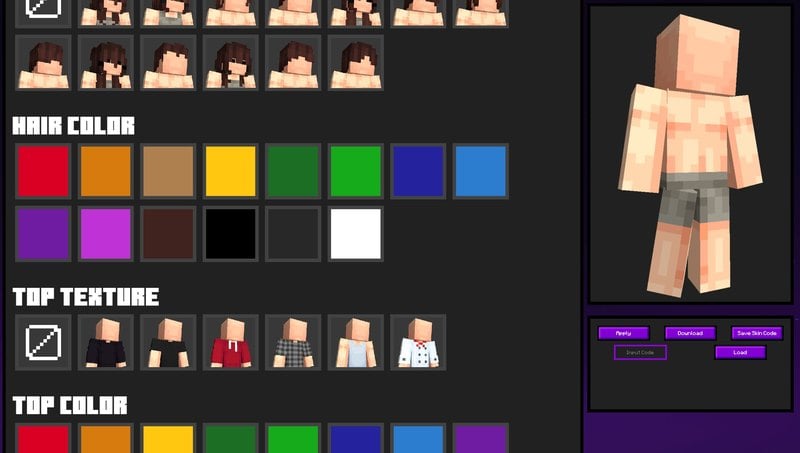
Why Custom Skins Matter in Construction SoftwareWhy do construction teams still rely on printed notes, phone calls, or memory even after adopting modern software? In many cases, the issue is not resistance to technology. It is that the software does not match how work actually happens on site. Custom skins in construction software address this gap. Instead of focusing on visual style alone, skins can reshape how information is prioritized, noticed, and acted on. This article explores how custom skins reduce errors, speed up field work, and improve coordination across construction teams.
- A Guide of Waifu Generators How They Work, Their Uses, and the Future You Need in 2025
- How Gesture-Based Access Systems Improve Safety, Efficiency, and User Experience
- A Beginner's Guide to Building a Career in 3D Character Animation
- How to Choose the Right Forklift Hire for Your Business
- Save Big on the 2025 Hyundai Palisade: Tips, Deals, and Buying Secrets
- How Artificial Intelligence Is Shaping the Future of Customer Engagement