When you struggle with recurring migraines, you often feel uncertain about how to prevent them or reduce their intensity. You want a clear, step by step plan that helps you recognize triggers, respond early, and build habits that support long term stability and meaningful relief.
Identify Your migraine Triggers
Your first step toward effective migraine management is understanding what sets your symptoms into motion. Triggers vary widely between individuals, but they generally fall into categories such as environmental factors, emotional stress, dietary patterns, and hormone fluctuations. Because migraines are influenced by neurological sensitivity, even small disruptions can create a chain reaction that leads to an episode.
A migraine journal is a valuable tool in this stage. By recording sleep habits, meals, stress levels, and early sensations, you begin to notice patterns that were previously invisible. Over time, you will uncover connections between your daily environment and the onset of symptoms. This knowledge forms the foundation of a personalized approach, giving you insight into what your brain responds to most strongly.
Understand Migraines Early Warning Signs
Migraines rarely appear without preliminary signals. These early warning signs, known as prodrome symptoms, may arise hours or days before the peak of the episode. Some people experience fatigue, mood changes, food cravings, or stiffness in the neck. Others notice subtle changes in focus, irritability, or sensory sensitivity.
Auras are another type of early signal. These can include flashes of light, shimmering lines, or temporary blind spots. Recognizing these early indicators gives you the opportunity to change your environment or initiate calming steps before the migraine intensifies. Early intervention often reduces duration and severity, making this step essential for long term control.
Build Consistent Daily Habits
Consistency is one of the strongest protective factors against migraines. Your brain functions best when your daily routine remains stable, especially in areas involving sleep, hydration, and nutrition. Irregular sleep patterns place stress on the nervous system, making you more vulnerable to episodes. Establishing consistent wake times and bedtime routines helps regulate your internal rhythms.
Hydration is equally important. Even mild dehydration can provoke neurological stress, so drinking regularly throughout the day creates a protective buffer. Balanced meals eaten at predictable intervals prevent drops in blood sugar that may trigger symptoms. Stress management also plays a significant role. Predictable schedules, quiet breaks, and intentional relaxation habits help reduce the tension that often precedes migraines.
Break the Cycle with Immediate Relief Techniques
When you sense a migraine forming, your next step is to disrupt the cycle before it progresses. Reducing light and noise exposure can calm overstimulated nerves, especially if you move into a dim or quiet space. Closing curtains, lowering screens, or resting your eyes helps limit the input that exacerbates symptoms.
Gentle movement benefits some people, while others need rest. Listening to your body is key. Temperature based strategies can also help. Cold compresses, cool cloths, or chilled packs placed on the forehead or neck often provide relief by soothing the nervous system. These immediate measures help prevent escalation and give you more control during early stages.
Explore Supportive Medical Approaches
While lifestyle changes offer strong support, medical guidance can strengthen your management strategy. Because migraines vary in severity, frequency, and underlying causes, a healthcare professional can help evaluate your symptoms and determine which approaches suit your needs. Without naming medications, you can still work with a professional to design both short term and long term strategies that match your health profile.
Acute support may help during active episodes, while preventive approaches can reduce the number of migraines you experience over weeks or months. Understanding the difference between these categories equips you to respond appropriately depending on your situation. Regular communication with a professional ensures that you adjust your plan safely and effectively as your symptoms evolve.
Add Complementary and Alternative Methods
Complementary therapies offer additional layers of support that many individuals find beneficial. Techniques such as meditation, slow breathing exercises, or progressive muscle relaxation help regulate stress responses and ease tension. These methods train your nervous system to remain calmer and more resilient when exposed to potential triggers.
Acupuncture, massage, and biofeedback can also contribute to improved neurological balance. These therapies target areas of tension, circulation, and nervous system activity that often play roles in migraine development. Some individuals explore nutritional supplements, but you should always consult a healthcare professional before adding them to your routine to ensure safety and proper dosing.
Cold therapy, warm compresses, and certain neuromodulation devices give further relief by influencing the pathways connected to head pain. Evaluating these options with care helps you choose strategies that align with your comfort level and overall health.
Create Your Personalized Migraine Action Plan
The final step is developing a structured migraine action plan tailored to your specific needs. Start by listing your known triggers, common early signals, and the steps that provide the most relief. Organize your strategies into three stages: prevention, early response, and active episode management.
Your plan might include environmental adjustments, rest periods, hydration reminders, stress reduction techniques, and medical steps as recommended by your healthcare provider. Keeping your tools accessible ensures you can act quickly when symptoms begin. Over time, you will refine your plan as you learn more about your patterns and which techniques work best for you.
A well crafted action plan reduces uncertainty and empowers you to approach migraines with confidence rather than fear.
FAQ
How long does it take to see improvement?
Improvement varies by individual and strategy. Some changes produce noticeable results within days, while others require several weeks of consistent effort. Tracking your progress helps you understand which methods work best for you.
Can migraines be controlled without medical treatment?
Some individuals achieve significant improvement through lifestyle changes alone, while others need combined medical and non medical approaches. Your response depends on your triggers, neurological sensitivity, and overall health.
What should you do during an unexpected severe episode?
You should move to a quiet, dark environment, hydrate slowly, reduce sensory input, and follow the steps outlined in your personal action plan. Seeking professional advice is important if episodes escalate or become more frequent.
When is specialist care necessary?
A specialist is helpful if your migraines intensify, disrupt daily life, or do not respond to basic management strategies. Specialists can evaluate underlying causes and provide advanced care options.
Conclusion
Managing migraines effectively requires patience, routine, and an understanding of your unique triggers. By following a step by step process, responding early to warning signs, building consistent habits, and developing a personalized action plan, you gain meaningful control over your symptoms and support long term relief.
Disclaimer
This article is for informational purposes only and does not substitute professional medical advice, diagnosis, or treatment. Always consult a qualified healthcare provider regarding any concerns about migraines or your personal health.
 From Fan to Creator: Building Worlds in Roblox
- Get Robux for Free and Level Up Your Roblox Experience
- Discover safe and proven ways to get free Robux and grow your account
- Is Free Robux Really Possible? The Truth Every Roblox Player Needs to Know
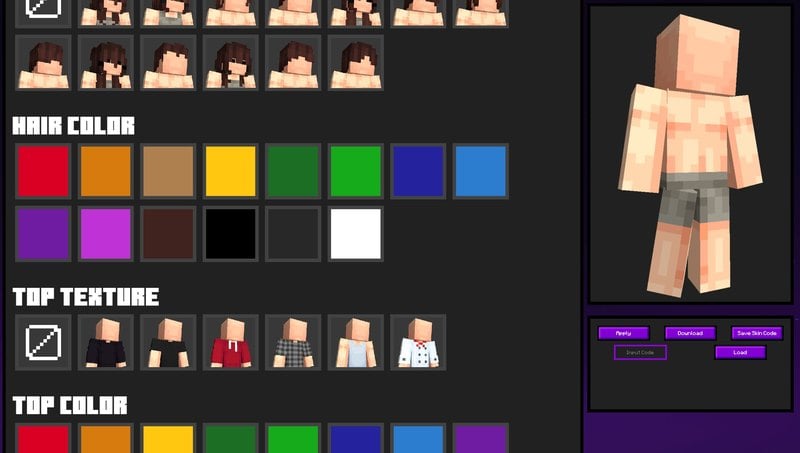
- Why Custom Skins Matter in Construction Software




- Everything Else
From Fan to Creator: Building Worlds in RobloxIf you have ever searched for free Robux, you probably landed on suspicious websites, fake generators, or videos promising instant rewards. You are not alone. Almost every Roblox player reaches a moment where they want more Robux — for better outfits, cooler items, or faster progress. The good news is that understanding Roblox itself is the first step. Once you know how this universe works, everything else becomes easier, safer, and more fun. Before talking about earning Robux, let's explore the world where it lives. Because Roblox is not just a game. It is an entire digital universe built by players, powered by creativity, and connected by Robux.- Everything Else
Get Robux for Free and Level Up Your Roblox ExperienceAre you trying to level up your Roblox experience without spending real money? You are not alone. The internet is full of free Robux promises, shady generators, and fake hacks that put your account at risk. But here is the truth: there are real, safe, and proven ways to earn Robux without paying. In this guide, you will learn exactly how legitimate free Robux methods work, how to avoid scams, and how to start building your Robux balance the smart way. Stay with us — your Roblox journey is about to upgrade.- Everything Else
Discover safe and proven ways to get free Robux and grow your accountRoblox is free to play, but Robux is the fuel that powers everything fun inside the platform. The problem is simple: Robux costs real money, and many players — especially younger ones — want ways to earn it without paying. If you search online for "free Robux," you will find hundreds of videos, generators, and websites promising instant rewards. Most of them are scams. Some waste your time. Others try to steal accounts. A few legitimate methods do exist, but they require patience and understanding of how Roblox's economy works. This guide gives you a full, realistic, and safe roadmap. You will learn what is actually possible, what is not, how to spot scams, and how to build long-term Robux income streams inside the Roblox ecosystem.- Everything Else
Is Free Robux Really Possible? The Truth Every Roblox Player Needs to Know"Can I really get free Robux without paying?" "Is this free Robux site safe?" "Why did my friend lose their Roblox account after trying a generator?" If you play Roblox, chances are you have asked at least one of these questions. Robux is the lifeblood of the Roblox universe. It lets you dress your avatar, unlock premium zones, buy game passes, and stand out in social spaces. For many players, Robux is not just currency — it is status, identity, and freedom inside the game.- Everything Else
Why Custom Skins Matter in Construction SoftwareWhy do construction teams still rely on printed notes, phone calls, or memory even after adopting modern software? In many cases, the issue is not resistance to technology. It is that the software does not match how work actually happens on site. Custom skins in construction software address this gap. Instead of focusing on visual style alone, skins can reshape how information is prioritized, noticed, and acted on. This article explores how custom skins reduce errors, speed up field work, and improve coordination across construction teams.
- A Guide of Waifu Generators How They Work, Their Uses, and the Future You Need in 2025
- How Gesture-Based Access Systems Improve Safety, Efficiency, and User Experience
- A Beginner's Guide to Building a Career in 3D Character Animation
- How to Choose the Right Forklift Hire for Your Business
- Save Big on the 2025 Hyundai Palisade: Tips, Deals, and Buying Secrets
- How Artificial Intelligence Is Shaping the Future of Customer Engagement