Are you ready to revolutionize your daily commute and recreational activities? Electric bikes present a significant opportunity for sustainable urban mobility and personal fitness. This guide explains their mechanics, benefits, and how to select the ideal model for your lifestyle.
1. What Exactly Is an Electric Bike?
An electric bike is a bicycle equipped with an electric motor and a rechargeable battery that assists the rider while pedaling. Unlike scooters or motorcycles, e-bikes don't replace human power—they enhance it. This makes them an excellent bridge between manual cycling and fully motorized vehicles.
E-bikes typically include four key components: a motor that provides propulsion, a battery that stores energy, a controller that manages power flow, and sensors that detect pedaling speed and force. Depending on the model, riders can choose between pedal assist, which amplifies pedaling effort, and throttle mode, which allows riding without pedaling.
E-bikes are also classified into three categories:
-
Class 1: Pedal-assist only, with motor assistance up to 20 mph.
-
Class 2: Includes a throttle, also limited to 20 mph.
-
Class 3: Pedal-assist only but with higher speed assistance up to 28 mph.
Understanding these classifications helps riders comply with local regulations while choosing the e-bike that best matches their lifestyle.
2. The Benefits of Riding an Electric Bike
Electric bikes bring a range of advantages that go beyond transportation.
Convenience is one of the biggest draws. Commuters can avoid traffic jams and parking fees while covering longer distances with less effort. For city riders, an e-bike can replace short car trips entirely.
Eco-friendliness is another major benefit. E-bikes produce zero direct emissions and contribute to cleaner air in urban environments. By choosing an e-bike over a gas-powered vehicle, riders reduce their carbon footprint while saving fuel costs.
E-bikes also support better health. Riders still pedal, which means they stay active—but the electric assist reduces strain, making cycling accessible to people of all fitness levels. Seniors and those with limited mobility can enjoy cycling again without overexertion.
Finally, e-bikes are affordable to operate. Charging a battery costs just a few cents compared to refueling a car, and maintenance is minimal. This combination of savings, sustainability, and simplicity makes e-bikes one of the smartest mobility investments available today.
3. Types of Electric Bikes for Different Riders
E-bikes come in several styles designed for specific uses:
-
City and Commuter E-Bikes: These models are perfect for urban travel, featuring comfortable upright seats, integrated lights, and cargo racks for bags or groceries.
-
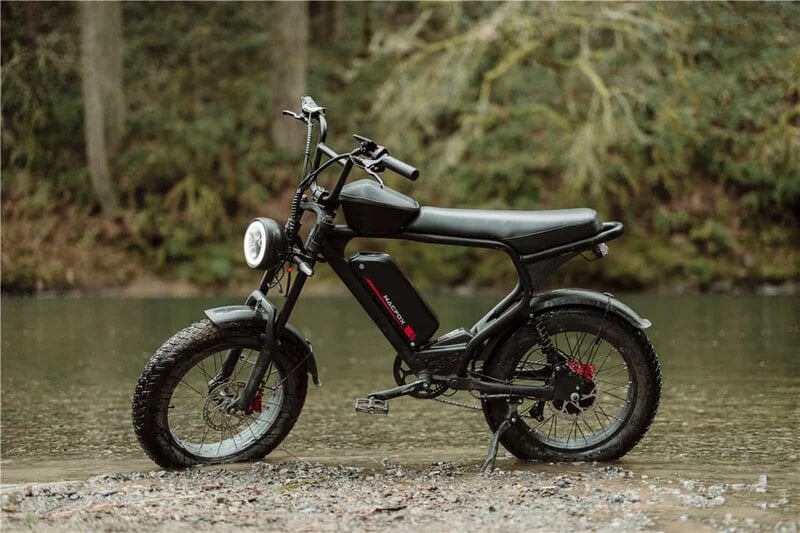
Mountain E-Bikes: Built with sturdy frames and wide tires, they handle off-road trails and steep climbs with powerful motors and suspension systems.
-
Folding E-Bikes: Compact and lightweight, these are ideal for people who combine cycling with public transport or live in small apartments.
-
Cargo E-Bikes: Designed to carry heavy loads or passengers, these are popular among families and delivery workers.
-
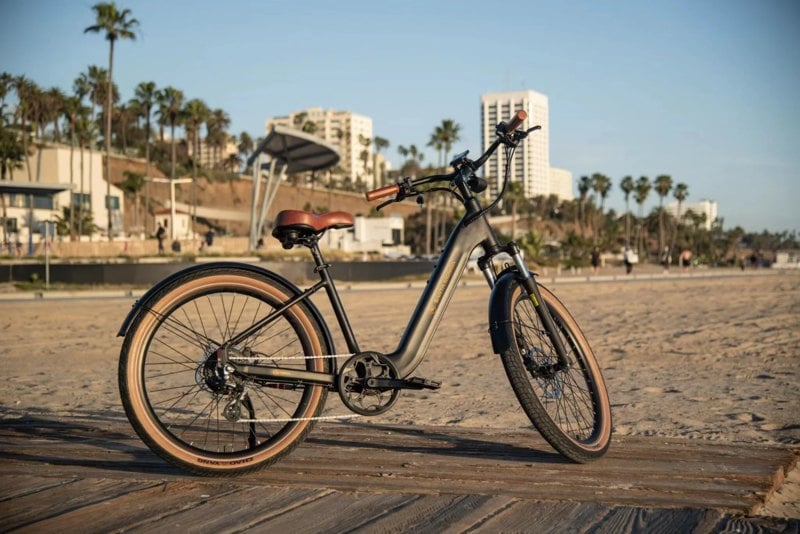
Cruiser E-Bikes: Stylish, relaxed, and ideal for leisurely rides along beaches or parks.
Choosing the right type depends on your terrain, purpose, and comfort preferences.
4. Understanding E-Bike Motors and Batteries
Two main types of motors power most electric bikes: hub-drive and mid-drive.
-
Hub-drive motors are built into the wheel hub and provide smooth acceleration, making them great for flat city rides.
-
Mid-drive motors, mounted near the pedals, offer better balance and torque, ideal for hills or off-road conditions.
Motor power typically ranges between 250 to 750 watts, with higher wattage delivering more speed and climbing ability.
Battery performance is equally important. Most e-bikes use lithium-ion batteries, offering a range of 25 to 80 miles per charge depending on terrain, assist level, and rider weight. Charging usually takes 3 to 6 hours.
To extend battery life:
-
Avoid fully depleting the charge.
-
Store it at moderate temperatures.
-
Recharge regularly even when not in use.
With proper care, an e-bike battery lasts 3–5 years before replacement.
5. How to Choose the Right Electric Bike
Selecting the right e-bike starts with understanding your riding goals.
For commuters, look for efficient, lightweight models with a moderate range and built-in lights. Adventure riders should prioritize power and suspension. If you have storage limitations, a folding e-bike is a smart choice.
Comfort should never be overlooked—test ride before buying. Check seat adjustability, handlebar position, and overall balance. A well-fitted bike reduces fatigue and improves confidence.
Also, consider range (how far you travel daily), motor type, and battery capacity. A 250W motor with 40–50 miles of range is sufficient for most riders.
Budget also plays a role. Entry-level e-bikes start around $800, while premium models with advanced technology can exceed $3,000. Choose a reputable brand offering a warranty and good after-sales support, especially for battery replacements or software updates.
6. Cost and Maintenance: What to Expect
Owning an e-bike is surprisingly economical. After the initial purchase, ongoing expenses are minimal—mainly electricity, tire checks, and occasional tune-ups. On average, maintaining an e-bike costs less than $100 annually.
The largest long-term expense is battery replacement, typically costing $300–$700 after several years of use. Still, that's far cheaper than maintaining a car or motorcycle.
Insurance requirements vary by region. Some areas classify Class 3 bikes as motorized vehicles, requiring registration, while others treat them as standard bicycles. Always check local laws before purchase.
7. Safety and Riding Tips for E-Bike Users
Riding safely ensures you get the most out of your e-bike experience. Always wear a helmet, especially at higher speeds. Use reflective clothing and proper lighting for visibility.
Learn how your bike responds to throttle and assist levels—electric bikes accelerate quickly, so practice smooth braking and cornering.
Obey traffic rules, stay in designated bike lanes, and keep both hands on the handlebars whenever possible. If you ride at night, ensure front and rear lights are on.
When charging at home, use the original charger and avoid overcharging overnight. Store the battery in a dry, cool place to prevent overheating.
8. The Future of Electric Biking
The electric bike industry is evolving rapidly. Newer models include smart connectivity features such as GPS tracking, app-based performance monitoring, and anti-theft systems. Improved battery chemistry is extending range and reducing charging time.
E-bikes are also reshaping urban transportation policies. Cities worldwide are building dedicated lanes and incentive programs to promote sustainable mobility. As the market expands, prices continue to drop, making electric bikes more accessible than ever before.
The combination of innovation, affordability, and eco-consciousness ensures that e-bikes will remain a defining part of the transportation future.
 A Complete Guide to Buying eBikes with Installment Plans
- Understanding Electric Bikes: Basics, Benefits, and Buying Tips
- Making eBikes Affordable: Exploring Buy Now Pay Later Payment Options
- Hidden Savings: Where to Buy a Reliable Used F-150 Without Overpaying
- Don't Miss These 2025 Chevy Equinox Clearance Specials Near You
- Automotive
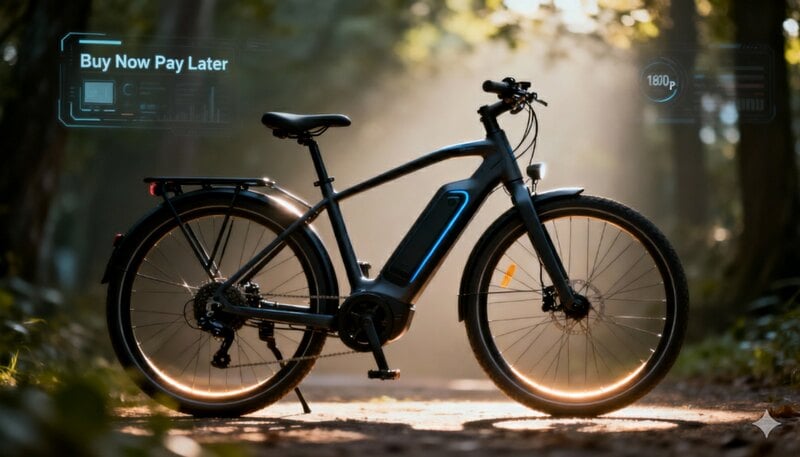
A Complete Guide to Buying eBikes with Installment PlansAs you consider new ways to commute or enjoy the outdoors, eBikes stand out as a convenient and eco-friendly solution. Their growing popularity has made ownership easier than ever, especially with flexible installment options that allow you to ride now and pay later.- Automotive
Understanding Electric Bikes: Basics, Benefits, and Buying TipsWhen you explore the world of electric bikes, you discover a simple and practical way to travel that fits easily into daily life. You learn how e-bikes reduce effort, save time, and offer a smooth riding experience that many people now consider a better choice than using a car or a regular bicycle.- Automotive
Making eBikes Affordable: Exploring Buy Now Pay Later Payment OptionsAre you considering an eBike purchase but concerned about the upfront cost? The Buy Now Pay Later model offers a flexible financing solution for modern consumers. This guide provides comprehensive general info to help you understand and utilize this popular payment method for your next electric bicycle.- Automotive
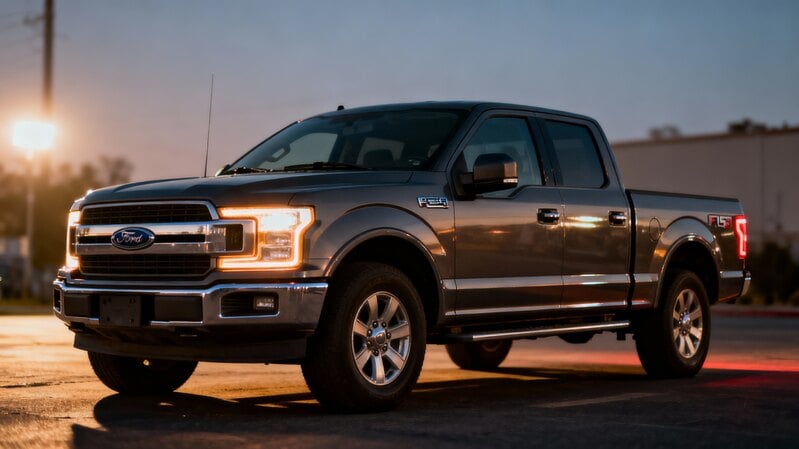
Hidden Savings: Where to Buy a Reliable Used F-150 Without OverpayingHow can you find a dependable used Ford F-150 without draining your budget? Many buyers face inflated prices and uncertain vehicle histories in the used truck market. This guide reveals practical strategies for securing a great deal on a reliable truck.- Automotive
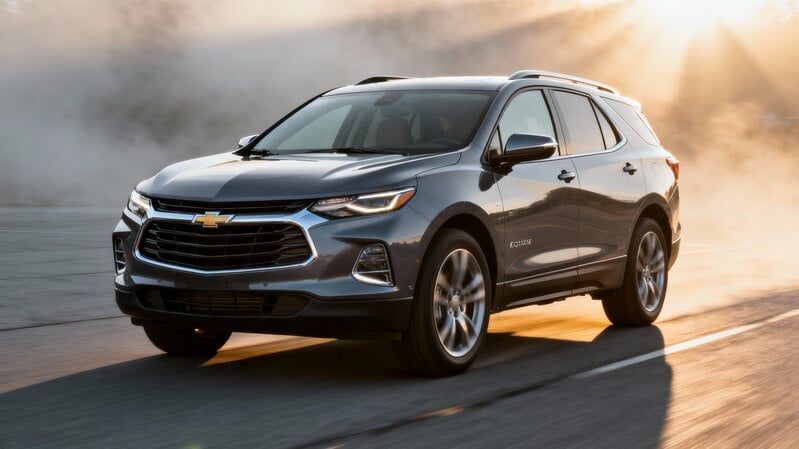
Don't Miss These 2025 Chevy Equinox Clearance Specials Near YouIf you have been waiting for the perfect time to buy a compact SUV, now is your moment. The 2025 Chevy Equinox—one of America's favorite crossovers—is now available with major clearance discounts as dealerships prepare for new inventory.
- A Guide of Waifu Generators How They Work, Their Uses, and the Future You Need in 2025
- How Gesture-Based Access Systems Improve Safety, Efficiency, and User Experience
- A Beginner's Guide to Building a Career in 3D Character Animation
- How to Choose the Right Forklift Hire for Your Business
- Save Big on the 2025 Hyundai Palisade: Tips, Deals, and Buying Secrets
- How Artificial Intelligence Is Shaping the Future of Customer Engagement