If you are a senior looking for a comfortable, affordable, and low-maintenance vehicle, electric cars might be the perfect solution. Modern EVs offer quiet rides, smooth handling, and minimal upkeep. This guide explores affordable EV options and their specific benefits for senior drivers.
1. Why Electric Vehicles Make Sense for Seniors
Electric vehicles are particularly well-suited for seniors because they combine ease of use, low running costs, and smooth driving experiences. Unlike gasoline cars that require frequent oil changes, spark plug replacements, and fuel stops, EVs have fewer moving parts and minimal maintenance needs.
The instant torque of electric motors provides gentle yet responsive acceleration, eliminating the jerky starts that can strain joints or nerves. Regenerative braking, which recharges the battery when you slow down, also reduces the effort needed to press the brake pedal repeatedly. Many EVs now come with driver-assist technologies like adaptive cruise control, lane-keeping assist, and automatic emergency braking—helping seniors drive with more confidence and less fatigue.
In addition to convenience, EVs bring significant financial advantages. Electricity is cheaper than gasoline on a per-mile basis, and the lack of engine maintenance translates into lower annual expenses. For retirees on a fixed income, those savings add up quickly while still delivering a high-quality driving experience.
2. Key Features Seniors Should Look For in an EV
When choosing an electric vehicle, comfort and usability should come first. Look for models with wide-opening doors, supportive seats, and a higher driving position for better visibility. Adjustable seats and steering wheels make long drives more comfortable and reduce strain on the back and knees.
Visibility is another critical factor. Cars with large windows, minimal blind spots, and well-positioned mirrors improve safety during parking and lane changes. Seniors may also prefer vehicles with simple touchscreen controls, large fonts, and clear icons instead of complex digital dashboards.
Safety features are essential. Advanced driver-assistance systems (ADAS) like blind-spot warnings, rear cross-traffic alerts, and lane-departure prevention can help avoid accidents. Range is also worth considering. For most seniors, a car with 150–250 miles of range easily covers errands, appointments, and family visits without frequent charging.
3. Budget-Friendly EV Models Ideal for Seniors
Today's EV market offers several affordable options that balance comfort, safety, and practicality.
Chevrolet Bolt EV / EUV: Known for its affordability and user-friendly interface, the Bolt offers up to 259 miles of range. The EUV version provides extra space and advanced safety technology, making it an excellent fit for older drivers.
Nissan Leaf: As one of the most established EVs, the Leaf delivers reliability, ease of use, and a comfortable cabin at a reasonable price. Its range of up to 212 miles is ideal for city driving and short trips.
Hyundai Kona Electric: This small SUV offers great visibility, excellent efficiency, and intuitive safety systems. It combines a quiet ride with easy maneuverability—perfect for seniors who prefer a compact yet spacious vehicle.
Kia Niro EV: With a balanced design, roomy interior, and smooth handling, the Niro EV feels comfortable and secure on long drives. It also includes several standard driver-assist features.
Mini Cooper SE: Ideal for seniors who mostly drive locally, this compact EV offers a fun, easy-to-park design and simple controls. It's perfect for urban errands or visiting friends nearby.
For even greater savings, seniors can explore used or certified pre-owned EVs. Electric vehicles depreciate faster initially, which means buyers can find nearly new models at significantly reduced prices.
4. How to Save Money When Buying an Electric Vehicle
Electric cars may seem costly upfront, but many programs can lower the total price. Federal tax credits in the U.S. can reduce costs by up to $7,500, depending on the model and where it's made. Several states offer additional rebates, reduced registration fees, or free charging incentives.
Dealerships often provide discounts, especially for older buyers or during end-of-year sales events. Seniors can also consider leasing, which includes warranty coverage and maintenance, avoiding concerns about long-term battery life.
If buying used, look for certified pre-owned EVs with warranty extensions. Comparing total ownership costs—electricity vs. gas, and maintenance vs. repair—shows that EVs save hundreds of dollars annually in running costs. Those long-term savings can make electric driving surprisingly budget-friendly.
5. Charging Made Simple: Tips for Senior Drivers
One common concern among seniors is charging, but it's much easier than it seems. Most EVs can be charged at home using a standard wall outlet (Level 1), which adds about 4–5 miles of range per hour—enough for daily use. Installing a Level 2 charger increases speed dramatically, adding around 25 miles of range per hour.
For longer trips, public charging stations are widely available and easy to locate with smartphone apps like PlugShare or ChargePoint. Many chargers are positioned near supermarkets, shopping centers, and rest areas for convenience.
Safety should come first—always charge in well-lit areas and avoid running cords across walkways. For most seniors, charging at home overnight is simple and efficient. Since most daily trips are under 40 miles, there's rarely a need for constant public charging.
6. Accessibility and Safety Considerations for Senior Drivers
As drivers age, accessibility and safety features become increasingly important. Seniors should prioritize vehicles with higher seat positions for easy entry and exit, along with wide door openings. Some EVs, like the Kia Niro or Hyundai Kona, are designed with ergonomics in mind.
Safety technologies can make driving less stressful. Automatic emergency braking, blind-spot detection, and pedestrian alerts are becoming standard in many EVs. Adaptive cruise control maintains safe distances on highways, reducing fatigue during long drives. Simplified dashboards and heads-up displays also help drivers focus without distraction.
These features ensure that older drivers stay comfortable, confident, and protected on every trip.
7. The Future of Affordable EVs for Seniors
The electric vehicle market is expanding rapidly, and affordability is improving every year. Advances in battery technology are reducing prices and extending range, making EVs more accessible for retirees on fixed budgets.
Compact city EVs are also gaining popularity, offering lightweight designs and simplified controls ideal for short-distance driving. Governments worldwide are introducing more rebates, charging infrastructure, and incentives to make EV ownership easier for everyone.
As the used EV market grows, more affordable options will become available, allowing seniors to enjoy advanced technology at lower costs. The future points to greater accessibility, efficiency, and environmental responsibility—without compromising comfort or safety.
 A Complete Guide to Buying eBikes with Installment Plans
- Understanding Electric Bikes: Basics, Benefits, and Buying Tips
- Making eBikes Affordable: Exploring Buy Now Pay Later Payment Options
- Hidden Savings: Where to Buy a Reliable Used F-150 Without Overpaying
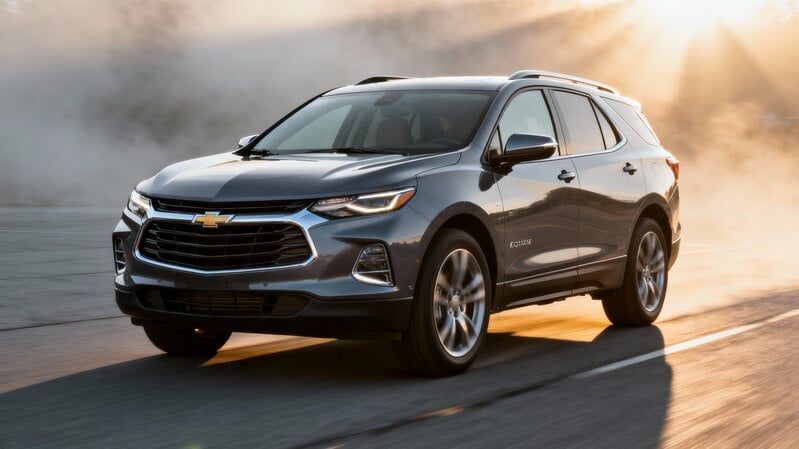
- Don't Miss These 2025 Chevy Equinox Clearance Specials Near You

- Automotive
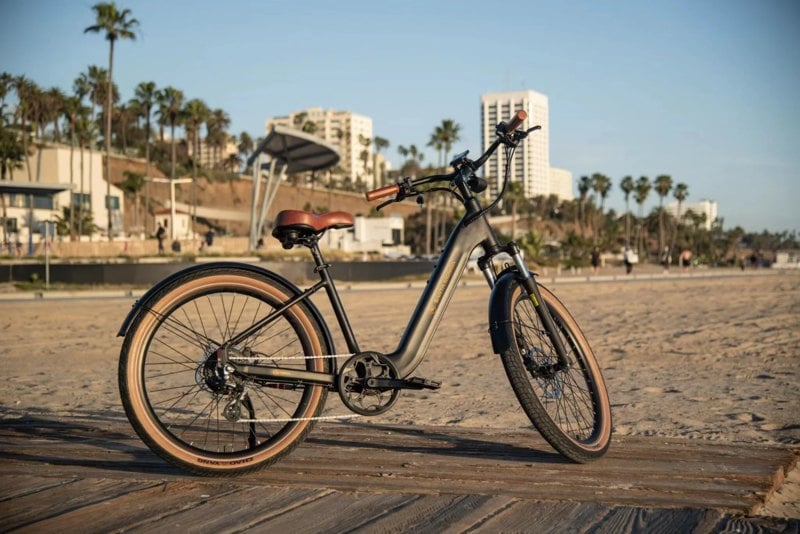
A Complete Guide to Buying eBikes with Installment PlansAs you consider new ways to commute or enjoy the outdoors, eBikes stand out as a convenient and eco-friendly solution. Their growing popularity has made ownership easier than ever, especially with flexible installment options that allow you to ride now and pay later.- Automotive
Understanding Electric Bikes: Basics, Benefits, and Buying TipsWhen you explore the world of electric bikes, you discover a simple and practical way to travel that fits easily into daily life. You learn how e-bikes reduce effort, save time, and offer a smooth riding experience that many people now consider a better choice than using a car or a regular bicycle.- Automotive
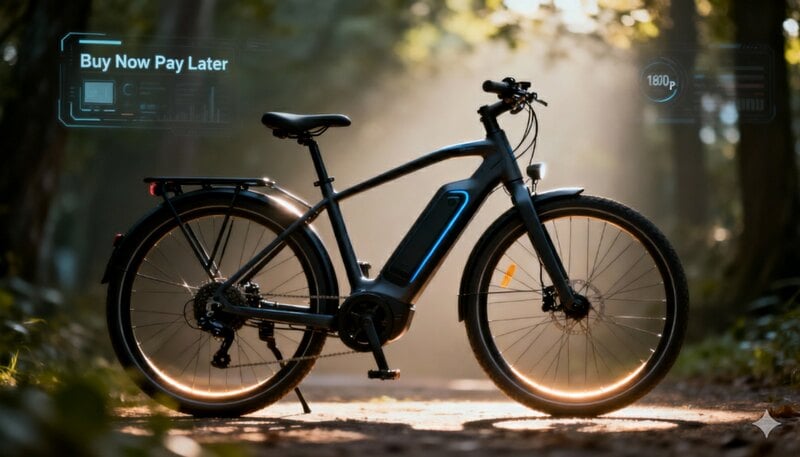
Making eBikes Affordable: Exploring Buy Now Pay Later Payment OptionsAre you considering an eBike purchase but concerned about the upfront cost? The Buy Now Pay Later model offers a flexible financing solution for modern consumers. This guide provides comprehensive general info to help you understand and utilize this popular payment method for your next electric bicycle.- Automotive
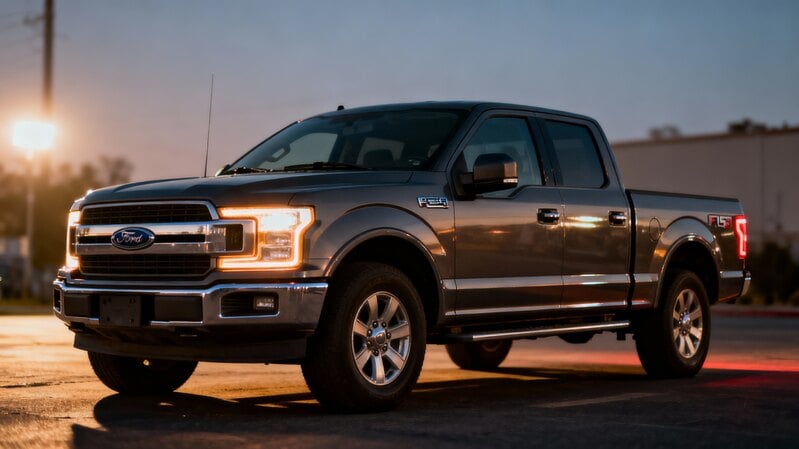
Hidden Savings: Where to Buy a Reliable Used F-150 Without OverpayingHow can you find a dependable used Ford F-150 without draining your budget? Many buyers face inflated prices and uncertain vehicle histories in the used truck market. This guide reveals practical strategies for securing a great deal on a reliable truck.- Automotive
Don't Miss These 2025 Chevy Equinox Clearance Specials Near YouIf you have been waiting for the perfect time to buy a compact SUV, now is your moment. The 2025 Chevy Equinox—one of America's favorite crossovers—is now available with major clearance discounts as dealerships prepare for new inventory.
- A Guide of Waifu Generators How They Work, Their Uses, and the Future You Need in 2025
- How Gesture-Based Access Systems Improve Safety, Efficiency, and User Experience
- A Beginner's Guide to Building a Career in 3D Character Animation
- How to Choose the Right Forklift Hire for Your Business
- Save Big on the 2025 Hyundai Palisade: Tips, Deals, and Buying Secrets
- How Artificial Intelligence Is Shaping the Future of Customer Engagement