How can you achieve cleaner air in industrial environments? Effective cyclone dust collectors provide a powerful solution for airborne particle control. This article explains their operation, benefits, and best practices for implementation.
Understanding Cyclone Dust Collector Technology
A cyclone dust collector uses centrifugal force to separate particles from an airstream. Contaminated air enters a cylindrical chamber, creating a rapid vortex. Heavier particles are forced to the walls and fall into a collection hopper.
This separation process is highly efficient for larger, coarser dust. The design is simple, with no moving parts inside the main chamber. This simplicity contributes to low maintenance requirements and operational reliability.
Clean air then exits through a central outlet at the top. These systems are often used as pre-filters for more complex setups. They handle high volumes and temperatures effectively.
The Importance of Industrial Air Quality
Maintaining high industrial air quality is crucial for both regulatory compliance and workforce health. Airborne dust poses significant respiratory hazards to employees. Proper control mitigates these risks and creates a safer workplace.
Many industries face strict emissions standards from environmental agencies. Effective dust collection helps facilities meet these legal requirements. It also prevents costly fines and potential operational shutdowns.
Beyond compliance, clean air protects sensitive machinery from abrasive dust damage. This protection extends equipment lifespan and reduces maintenance costs. A clean environment also boosts overall productivity.
Key Components of Effective Systems
A high-performance system integrates several critical components for optimal function. The inlet design dictates the initial air velocity and spiral formation. A properly sized cylinder ensures sufficient residence time for separation.
The cone section accelerates the vortex, enhancing particle separation efficiency. Durable construction materials resist abrasion from the collected particulate matter. The collection hopper must be easily accessible for regular emptying.
An airlock on the hopper prevents system leaks during dust discharge. These components work together to achieve high collection efficiency. Regular inspection of each part ensures consistent performance.
Benefits and Operational Challenges
These systems offer substantial advantages for industrial applications. Their robust design handles high-temperature and explosive dusts safely. Low operational costs make them an economical choice for many facilities.
However, they are less effective on very fine, low-density particles. This limitation requires additional filtration stages in some applications. Proper sizing is critical to address specific dust characteristics.
Maintenance primarily involves emptying the collection hopper and inspecting for wear. Abrasive dust can cause erosion in the cyclone body over time. Addressing these challenges ensures long-term system reliability.
Implementing a Dust Control Strategy
Successful implementation begins with a thorough analysis of your dust source. Identify the particle size distribution and material characteristics. This analysis informs the correct cyclone sizing and configuration.
Consider the airflow volume and static pressure requirements for your space. Proper ductwork design minimizes pressure drop and maintains system efficiency. Strategic placement of the collector optimizes its performance.
Integrate the cyclone with other air filtration equipment when necessary. This creates a comprehensive solution for complex dust challenges. Regular performance monitoring confirms the system meets design specifications.
Future Developments in Air Filtration
Technological advancements continue to enhance cyclone design and performance. Computational fluid dynamics allows for more precise modeling of airflows. These simulations lead to optimized geometries for better particle separation.
New materials increase durability while reducing overall system weight. Smart monitoring systems can now predict maintenance needs before failures occur. This predictive capability minimizes unexpected downtime.
Integration with building management systems provides real-time performance data. These innovations contribute to smarter, more connected industrial environments. The future promises even greater efficiency and operational intelligence.
Conclusion
Cyclone dust collectors remain a fundamental solution for industrial air quality. Their simple yet effective design provides reliable particulate control. Proper selection and maintenance ensure they meet operational demands.
These systems form the foundation of many comprehensive dust control strategies. They protect both human health and manufacturing equipment from harmful particles. Their role in modern industry continues to evolve with new technologies.
Implementing the right system requires careful planning and expert guidance. The result is a cleaner, safer, and more productive working environment. This investment pays dividends through improved compliance and operational efficiency.
 How SMBs Can Choose the Right Business Phone Package in 2026
- How SMBs Can Choose the Right Business Phone Package in 2026
- A Complete Guide to Small Business Phone Systems in 2026
- How Businesses Use Satellite Internet to Work Anywhere
- How to Choose the Right Forklift Hire for Your Business



- Business
How SMBs Can Choose the Right Business Phone Package in 2026Within the competitive landscape of modern business, effective communication remains a cornerstone of success, making the selection of phone plans a crucial decision for SMBs. Customized phone packages cater to essential voice interactions while delivering advanced features that boost coordination and efficiency. Budget-friendly options enable enterprises to optimize expenditures while benefiting from features such as limitless calling, integrated chat functions, and scalable services. Choosing suitable communication solutions can equip SMBs to thrive amid market challenges.- Business
How SMBs Can Choose the Right Business Phone Package in 2026Within the competitive landscape of modern business, effective communication remains a cornerstone of success, making the selection of phone plans a crucial decision for SMBs. Customized phone packages cater to essential voice interactions while delivering advanced features that boost coordination and efficiency. Budget-friendly options enable enterprises to optimize expenditures while benefiting from features such as limitless calling, integrated chat functions, and scalable services. Choosing suitable communication solutions can equip SMBs to thrive amid market challenges.- Business
A Complete Guide to Small Business Phone Systems in 2026You are operating in a business environment where fast, reliable, and professional communication directly impacts customer trust and revenue. In 2026, selecting the right small business phone system is no longer optional, it is a strategic investment that supports efficiency, flexibility, and sustainable growth.- Business
How Businesses Use Satellite Internet to Work AnywhereRunning a business is hard enough without worrying about unreliable internet. If your office, job site, or operation is outside strong cable or cellular coverage, satellite internet can help. This article breaks down how it works, what options exist today, and how to choose a solution that actually fits your business.- Business
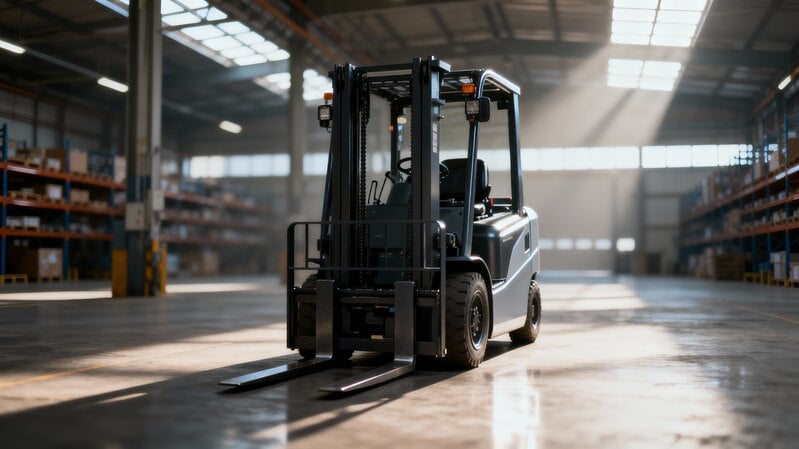
How to Choose the Right Forklift Hire for Your BusinessChoosing the right forklift hire can significantly impact your business's efficiency, safety, and overall operating costs. Whether you're managing a warehouse, construction site, or distribution center, renting the right type of forklift ensures that materials move quickly and safely.
- A Guide of Waifu Generators How They Work, Their Uses, and the Future You Need in 2025
- How Gesture-Based Access Systems Improve Safety, Efficiency, and User Experience
- A Beginner's Guide to Building a Career in 3D Character Animation
- How to Choose the Right Forklift Hire for Your Business
- Save Big on the 2025 Hyundai Palisade: Tips, Deals, and Buying Secrets
- How Artificial Intelligence Is Shaping the Future of Customer Engagement