In modern industrial operations, efficiency, sustainability, and waste reduction are top priorities. The Arboga crusher, a robust and reliable metal recycling and crushing system, is revolutionizing production processes across manufacturing sectors.
1. Understanding Arboga Crusher Technology
The Arboga crusher is a specialized industrial machine developed to process metal waste efficiently. Unlike conventional shredders, it uses a slow-speed, high-torque mechanism that crushes and compacts metal scrap without generating excessive noise, heat, or dust. Its design focuses on durability and simplicity, making it suitable for continuous operation in harsh industrial environments such as machining workshops, automotive plants, and foundries.
These crushers handle a variety of materials—aluminum, brass, copper, steel, and mixed scrap—by reducing their size and separating impurities. The crushed material can then be transported easily for melting, recycling, or further processing, ensuring maximum recovery of valuable metals and minimizing waste storage needs.
2. Improved Efficiency and Productivity
Incorporating Arboga crushers into production workflows significantly enhances operational efficiency. The technology automates metal waste handling, removing the need for manual sorting and compacting. By continuously feeding machining waste or scrap metal into the crusher, companies reduce downtime and streamline production lines.
The volume reduction achieved—often up to 80%—means less space required for storage and fewer transport cycles for disposal or recycling. This efficiency translates directly into cost savings on logistics, labor, and waste management. Moreover, because crushed scrap has a uniform particle size, it's easier to handle and recycle, improving overall production throughput.
3. Sustainable and Environmentally Responsible Processing
Sustainability is no longer optional in manufacturing—it's an expectation. Arboga crushers contribute to eco-friendly production by facilitating closed-loop recycling. By converting bulky metal waste into compact, reusable material, the technology minimizes landfill contributions and supports a circular economy.
Additionally, the crushers' low-energy consumption and minimal emission output reduce environmental impact. When paired with filtration and coolant recovery systems, Arboga units can even help reclaim valuable fluids from machining waste, further enhancing resource efficiency.
This focus on sustainability not only reduces operational costs but also helps manufacturers meet environmental regulations and achieve corporate social responsibility goals.
4. Enhanced Safety and Workplace Cleanliness
Manual handling of sharp metal waste poses safety risks, from cuts to heavy lifting injuries. Arboga crushers automate the process, minimizing direct contact between operators and hazardous materials. Their enclosed crushing chambers prevent debris ejection and reduce noise levels, creating a safer and more comfortable working environment.
Furthermore, the system promotes cleaner production areas by preventing metal chips and scrap piles from accumulating around machinery. Improved cleanliness not only enhances safety but also extends equipment lifespan by reducing contamination and wear.
5. Flexibility and Integration in Industrial Systems
One of the major advantages of Arboga crusher technology is its adaptability. The equipment can be customized and integrated seamlessly into existing production systems, whether as a standalone unit or as part of a complete chip handling solution that includes conveyors, centrifuges, or briquetting presses.
Available in different sizes and capacities, Arboga crushers can accommodate both small machine shops and large-scale manufacturing plants. Their compatibility with automated systems ensures continuous operation without manual intervention, aligning perfectly with Industry 4.0 principles of connected and intelligent production environments.
6. Durability and Low Maintenance Requirements
Arboga crushers are engineered for long-term reliability. Built with heavy-duty components and wear-resistant materials, they require minimal maintenance even under constant load. The slow-speed operation reduces mechanical stress and vibration, extending service life.
Routine maintenance is straightforward, usually limited to checking oil levels, tightening bolts, and inspecting wear parts periodically. This simplicity minimizes downtime and maximizes uptime, giving manufacturers a dependable solution for round-the-clock operation. In industries where every minute of production counts, this reliability is a major advantage.
7. Conclusion
Adopting Arboga crusher technology is more than an upgrade—it's a strategic step toward greater efficiency, sustainability, and profitability. By automating scrap handling, reducing material volume, and promoting safe, clean operations, Arboga crushers optimize every stage of the production cycle. Their flexibility, low energy consumption, and robust design make them a valuable addition to modern manufacturing environments aiming for continuous improvement and sustainable growth.
For industries that deal with high volumes of metal waste, investing in Arboga technology is not just a solution—it's a long-term commitment to operational excellence and environmental responsibility.
 How SMBs Can Choose the Right Business Phone Package in 2026
- How SMBs Can Choose the Right Business Phone Package in 2026
- A Complete Guide to Small Business Phone Systems in 2026
- How Businesses Use Satellite Internet to Work Anywhere
- How to Choose the Right Forklift Hire for Your Business



- Business
How SMBs Can Choose the Right Business Phone Package in 2026Within the competitive landscape of modern business, effective communication remains a cornerstone of success, making the selection of phone plans a crucial decision for SMBs. Customized phone packages cater to essential voice interactions while delivering advanced features that boost coordination and efficiency. Budget-friendly options enable enterprises to optimize expenditures while benefiting from features such as limitless calling, integrated chat functions, and scalable services. Choosing suitable communication solutions can equip SMBs to thrive amid market challenges.- Business
How SMBs Can Choose the Right Business Phone Package in 2026Within the competitive landscape of modern business, effective communication remains a cornerstone of success, making the selection of phone plans a crucial decision for SMBs. Customized phone packages cater to essential voice interactions while delivering advanced features that boost coordination and efficiency. Budget-friendly options enable enterprises to optimize expenditures while benefiting from features such as limitless calling, integrated chat functions, and scalable services. Choosing suitable communication solutions can equip SMBs to thrive amid market challenges.- Business
A Complete Guide to Small Business Phone Systems in 2026You are operating in a business environment where fast, reliable, and professional communication directly impacts customer trust and revenue. In 2026, selecting the right small business phone system is no longer optional, it is a strategic investment that supports efficiency, flexibility, and sustainable growth.- Business
How Businesses Use Satellite Internet to Work AnywhereRunning a business is hard enough without worrying about unreliable internet. If your office, job site, or operation is outside strong cable or cellular coverage, satellite internet can help. This article breaks down how it works, what options exist today, and how to choose a solution that actually fits your business.- Business
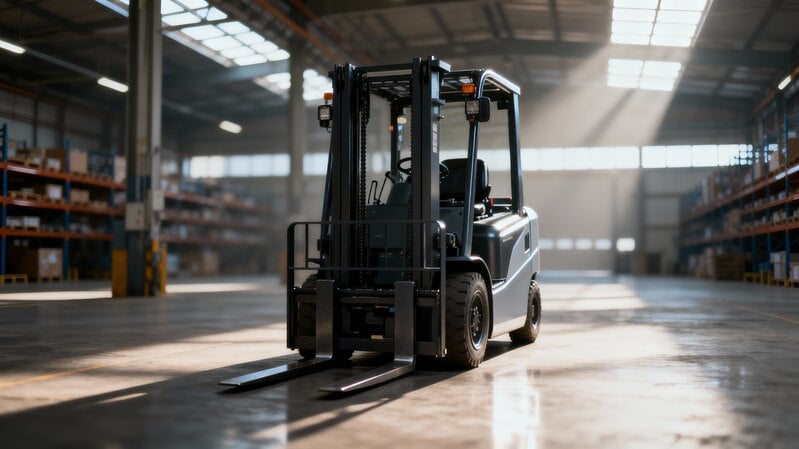
How to Choose the Right Forklift Hire for Your BusinessChoosing the right forklift hire can significantly impact your business's efficiency, safety, and overall operating costs. Whether you're managing a warehouse, construction site, or distribution center, renting the right type of forklift ensures that materials move quickly and safely.
- A Guide of Waifu Generators How They Work, Their Uses, and the Future You Need in 2025
- How Gesture-Based Access Systems Improve Safety, Efficiency, and User Experience
- A Beginner's Guide to Building a Career in 3D Character Animation
- How to Choose the Right Forklift Hire for Your Business
- Save Big on the 2025 Hyundai Palisade: Tips, Deals, and Buying Secrets
- How Artificial Intelligence Is Shaping the Future of Customer Engagement