How can your business compete in today's demanding market? Modern industrial challenges require advanced technological solutions. This article explores how cutting-edge machinery can transform your operational capabilities and drive significant growth.
The Rise of Smart Industrial Machinery
Over the past decade, industrial manufacturing has undergone a digital revolution. Machines that once depended on manual input now operate through automation, artificial intelligence (AI), and data analytics. This evolution, often referred to as Industry 4.0, represents the fusion of digital and physical technologies within production environments.
Smart industrial machines are equipped with sensors, connected through the Internet of Things (IoT), and designed to analyze data in real time. These machines not only execute repetitive tasks but also monitor performance, predict potential failures, and optimize productivity.
Key Types of Cutting-Edge Industrial Machines
1. Robotic Systems
Industrial robots have evolved from single-task units into multifunctional systems capable of working alongside humans. They handle everything from material handling and assembly to packaging and inspection.
2. CNC (Computer Numerical Control) Machines
CNC machines automate complex manufacturing processes, including cutting, drilling, and milling. Their precision allows for consistent production of parts with minimal human intervention.
3. Additive Manufacturing (3D Printing)
3D printing has revolutionized product development and prototyping. It enables manufacturers to create components layer by layer from digital models, minimizing material waste.
4. IoT-Enabled Equipment
IoT-connected machines share operational data across networks, providing real-time insights into performance and maintenance needs.
Essential Tools for Modern Manufacturing
Several key tools define the current manufacturing landscape. Computer numerical control systems offer unparalleled precision. Automated guided vehicles streamline material handling logistics.
Additive manufacturing, or 3D printing, enables rapid prototyping. Collaborative robots work safely alongside human operators. These cutting-edge tools form a cohesive, intelligent production environment.
Selecting the right tools requires careful analysis. You must assess your specific production needs and workflow. A tailored approach yields the best return on investment.
Challenges and Considerations When Upgrading Equipment
While the benefits of advanced industrial machines are clear, upgrading does present challenges that businesses must prepare for.
Initial Costs
The upfront investment in high-end equipment can be significant. However, financial options such as leasing, government incentives, and phased implementation can make transitions smoother.
Skilled Workforce Requirements
Modern machinery requires technically proficient staff. Continuous training and collaboration with machine manufacturers help bridge skill gaps.
Integration with Legacy Systems
Combining old and new technologies can create compatibility issues. Planning and testing during implementation are crucial to avoid disruptions.
Future Trends in Industrial Technology
The future points toward even greater connectivity and intelligence. The Industrial Internet of Things will create fully networked factories. Artificial intelligence will enable predictive maintenance and optimization.
Sustainability will become a core design principle for new equipment. Energy-efficient motors and closed-loop systems will be standard. These innovations support both environmental goals and cost reduction.
Businesses must prepare for this evolving landscape now. Continuous learning and adaptability will be crucial for long-term success. Staying informed about trends ensures you remain competitive.
Conclusion: Empowering Your Business Growth
Investing in modern industrial machinery is a powerful growth strategy. It positions your company for success in a dynamic market. The right equipment transforms your operational potential.
The journey requires careful planning and committed execution. The initial challenges are far outweighed by the long-term gains. Your business will achieve new levels of performance and profitability.
Now is the time to act and empower your business for the future. Begin evaluating your needs and exploring available technological solutions. Strategic investment today builds a stronger, more resilient enterprise.
 How SMBs Can Choose the Right Business Phone Package in 2026
- How SMBs Can Choose the Right Business Phone Package in 2026
- A Complete Guide to Small Business Phone Systems in 2026
- How Businesses Use Satellite Internet to Work Anywhere
- How to Choose the Right Forklift Hire for Your Business



- Business
How SMBs Can Choose the Right Business Phone Package in 2026Within the competitive landscape of modern business, effective communication remains a cornerstone of success, making the selection of phone plans a crucial decision for SMBs. Customized phone packages cater to essential voice interactions while delivering advanced features that boost coordination and efficiency. Budget-friendly options enable enterprises to optimize expenditures while benefiting from features such as limitless calling, integrated chat functions, and scalable services. Choosing suitable communication solutions can equip SMBs to thrive amid market challenges.- Business
How SMBs Can Choose the Right Business Phone Package in 2026Within the competitive landscape of modern business, effective communication remains a cornerstone of success, making the selection of phone plans a crucial decision for SMBs. Customized phone packages cater to essential voice interactions while delivering advanced features that boost coordination and efficiency. Budget-friendly options enable enterprises to optimize expenditures while benefiting from features such as limitless calling, integrated chat functions, and scalable services. Choosing suitable communication solutions can equip SMBs to thrive amid market challenges.- Business
A Complete Guide to Small Business Phone Systems in 2026You are operating in a business environment where fast, reliable, and professional communication directly impacts customer trust and revenue. In 2026, selecting the right small business phone system is no longer optional, it is a strategic investment that supports efficiency, flexibility, and sustainable growth.- Business
How Businesses Use Satellite Internet to Work AnywhereRunning a business is hard enough without worrying about unreliable internet. If your office, job site, or operation is outside strong cable or cellular coverage, satellite internet can help. This article breaks down how it works, what options exist today, and how to choose a solution that actually fits your business.- Business
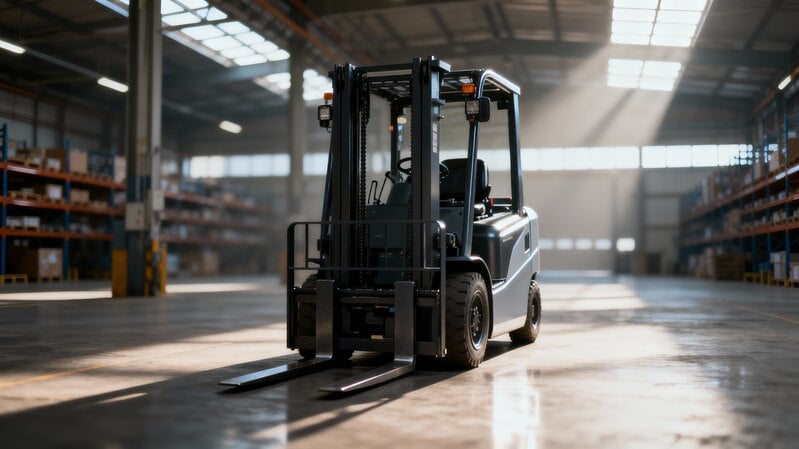
How to Choose the Right Forklift Hire for Your BusinessChoosing the right forklift hire can significantly impact your business's efficiency, safety, and overall operating costs. Whether you're managing a warehouse, construction site, or distribution center, renting the right type of forklift ensures that materials move quickly and safely.
- A Guide of Waifu Generators How They Work, Their Uses, and the Future You Need in 2025
- How Gesture-Based Access Systems Improve Safety, Efficiency, and User Experience
- A Beginner's Guide to Building a Career in 3D Character Animation
- How to Choose the Right Forklift Hire for Your Business
- Save Big on the 2025 Hyundai Palisade: Tips, Deals, and Buying Secrets
- How Artificial Intelligence Is Shaping the Future of Customer Engagement